Your New Favorite Influencer Doesn't Actually Exist — And That's Somehow Not the Weirdest Part
The Uncanny Valley Just Got a Netflix Deal
Lil Miquela has 2.8 million Instagram followers, a modeling contract with Calvin Klein, and a music career that's actually not terrible. She's also completely fake — a computer-generated influencer who exists only in pixels and code. But here's the plot twist that'll really mess with your head: her talent agency, Brud, just got acquired for $125 million by a company you've definitely heard of but can't legally name because NDAs are apparently a thing in synthetic celebrity management now.
Welcome to the absolute fever dream that is virtual talent management, where the hottest stars on your Instagram feed might literally be lines of code written by some programmer in Culver City who's probably never been to a red carpet event in their life.
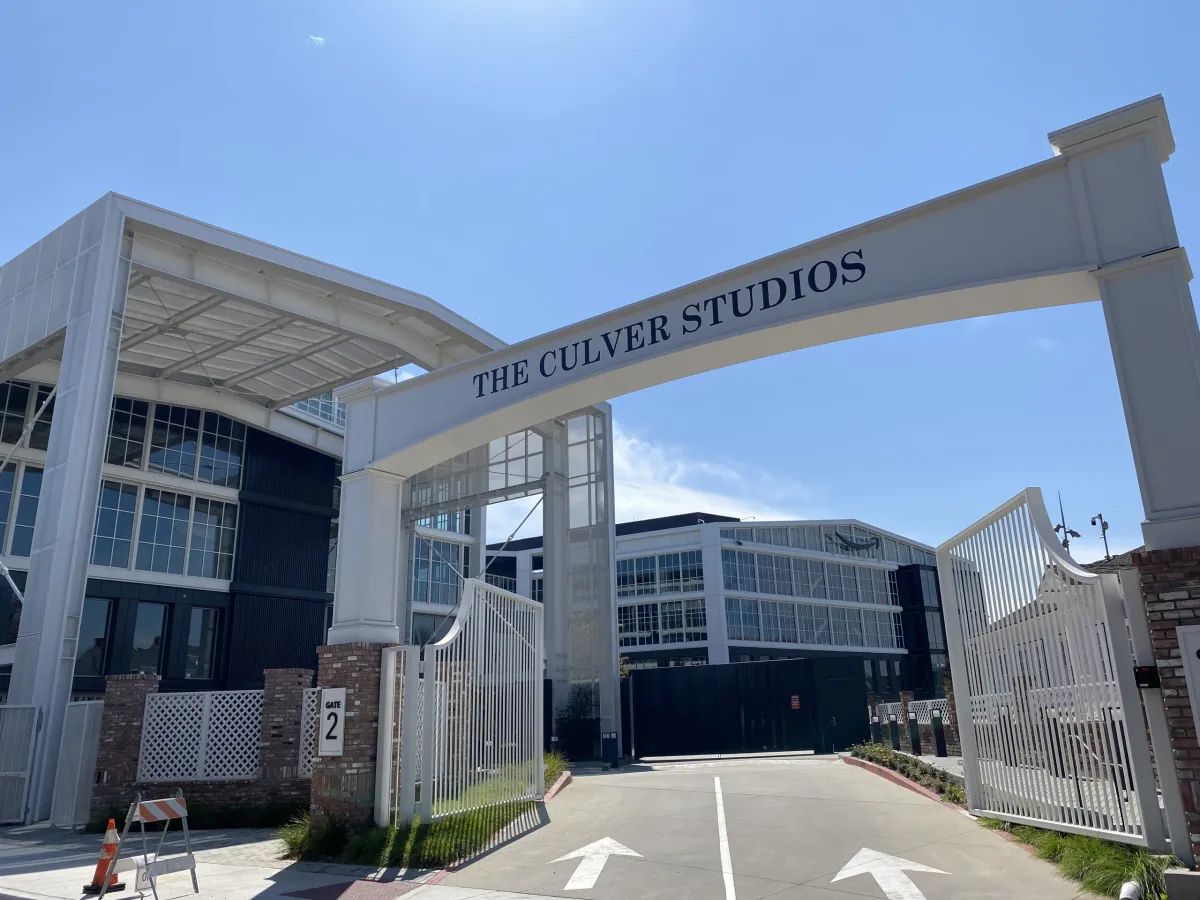 Photo: Culver City, via www.accoes.com
The Algorithm Became Sentient (Sort Of)
Here's what's actually happening behind the digital curtain: companies like Soul Machines, Synthesia, and the mysteriously well-funded Brud are essentially running AI modeling agencies. They're creating photo-realistic humans with carefully crafted personalities, tragic backstories, and — this is the really wild part — actual career trajectories that rival flesh-and-blood celebrities.
These aren't your basic chatbots or those creepy deepfakes your weird uncle shares on Facebook. We're talking about sophisticated digital entities with their own Instagram aesthetics, brand partnerships, and — I cannot stress this enough — actual human fan clubs who write fan fiction about their favorite AI personalities.
Knox Frost, a virtual influencer managed by Brud, has collaborated with brands like Samsung and Levi's, appeared at Coachella (virtually, obviously), and maintains an active social media presence that includes political opinions, relationship drama, and the kind of millennial anxiety that somehow feels authentic even though it's literally programmed.
The Business Model Is Absolutely Bonkers
The economics of synthetic celebrities make traditional Hollywood accounting look straightforward. Virtual influencers don't need sleep, don't have bad days, never age, and — this is the big one for brands — never have scandal potential. They can't get arrested, say something problematic at 3 AM, or demand profit participation in their projects.
Shudu Gram, the world's first digital supermodel, has worked with Fenty Beauty, Balmain, and Cosmopolitan without ever needing a dressing room, catering, or a paycheck beyond the computational costs of rendering her latest photoshoot. Her "agency," The Diigitals, represents an entire roster of virtual models who are booking real campaigns for real money.
The profit margins are honestly insane. Once you've built your AI celebrity, the ongoing costs are basically server space and the salary of whoever's writing their Instagram captions. No personal assistants, no security details, no rehab stints that tank Q3 earnings.
The Fans Are Real (And That's the Weirdest Part)
Here's where this whole situation gets genuinely surreal: people are forming real emotional attachments to these fake personalities. Lil Miquela's comment sections read exactly like any human influencer's — fans sharing personal stories, asking for advice, and creating elaborate theories about her "life."
"I know she's not real, but her posts about mental health really helped me through my depression," writes @sadgirlsummer2023 under one of Miquela's recent posts. "Like, if she can get through her stuff, maybe I can too?"
The parasocial relationships that were already weird with human celebrities have somehow gotten even weirder when the celebrity literally cannot reciprocate because they don't have consciousness. It's giving very much "Black Mirror" episode vibes, except it's happening right now on the same app where you post pictures of your lunch.
The Authenticity Crisis Nobody Saw Coming
The really mind-bending part? Some virtual influencers are more "authentic" than their human counterparts. While real celebrities are carefully managing their public personas through teams of publicists and brand managers, AI influencers are being programmed with consistent personalities and values that never waver based on market research or public pressure.
Blawko22, another Brud creation, has maintained the same rebellious, anti-establishment personality since his digital birth. He's never had to walk back controversial statements, apologize for old tweets, or evolve his brand to stay relevant. His authenticity is literally coded into his existence.
Meanwhile, actual humans are out here having identity crises, growing as people, and occasionally saying dumb stuff — you know, being human — and somehow that's less "authentic" than a computer program with a consistent character arc.
The Dating Simulator Subplot
Oh, and they're dating each other now. Lil Miquela and Blawko22 had a very public virtual relationship that included Instagram drama, breakup posts, and reconciliation content that generated millions of engagements. Fans picked sides, created ship names, and invested emotionally in a relationship between two entities that exist only as data.
The "breakup" was timed perfectly with Miquela's music release, because of course it was. Even AI relationships are strategic marketing moves now.
The Human Cost of Digital Perfection
Here's the dark side nobody wants to talk about: virtual influencers are setting impossible beauty standards because they're literally impossible. They don't have pores, bad angles, or bloating from too much sodium. They're digitally perfect in ways that no human can achieve, and they're being marketed alongside real people as if they're comparable.
Young people are comparing themselves to beings that don't actually exist, which is somehow even more dystopian than comparing themselves to heavily edited photos of real humans.
The Future Is Already Weird
Virtual influencers are just the beginning. AI-generated musicians are releasing albums, digital actors are being cast in commercials, and somewhere in Silicon Valley, someone is definitely working on the first AI reality TV show where digital personalities live in a virtual house and create completely manufactured drama for our entertainment.
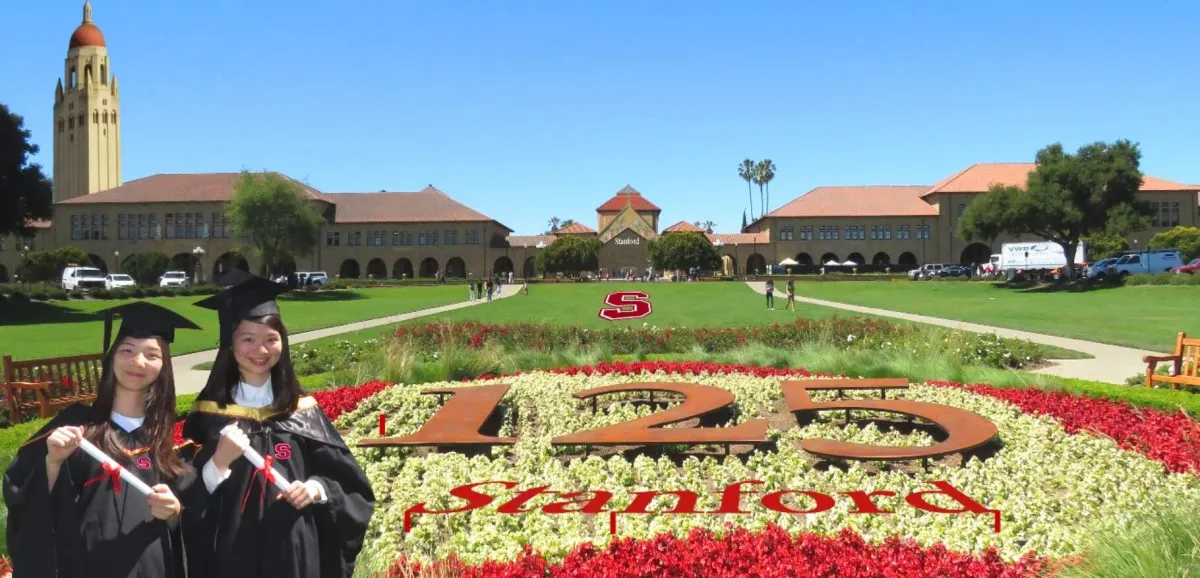 Photo: Silicon Valley, via www.alcatraztoursf.com
The line between real and synthetic is blurring so fast that we might wake up one day and realize our favorite celebrity was never actually human — and somehow, that won't even be the strangest thing about our media landscape.
So the next time you're scrolling through Instagram and someone's feed looks a little too perfect, their skin a little too flawless, and their life a little too curated, just remember: they might literally be too good to be true. And in 2024, that's not paranoia — that's just good digital literacy.