Crying All the Way to the Bank: How Pop Stars Turned Heartbreak Into America's Hottest Investment Strategy
Remember when breakups were just... sad? When celebrities nursed their wounds in private, maybe dropped a cryptic Instagram story, and eventually moved on like normal human beings? Those days are deader than flip phones, because somewhere between Taylor Swift's "Red" era and Olivia Rodrigo's driver's license dramatics, the entertainment industry figured out that heartbreak is basically liquid gold.
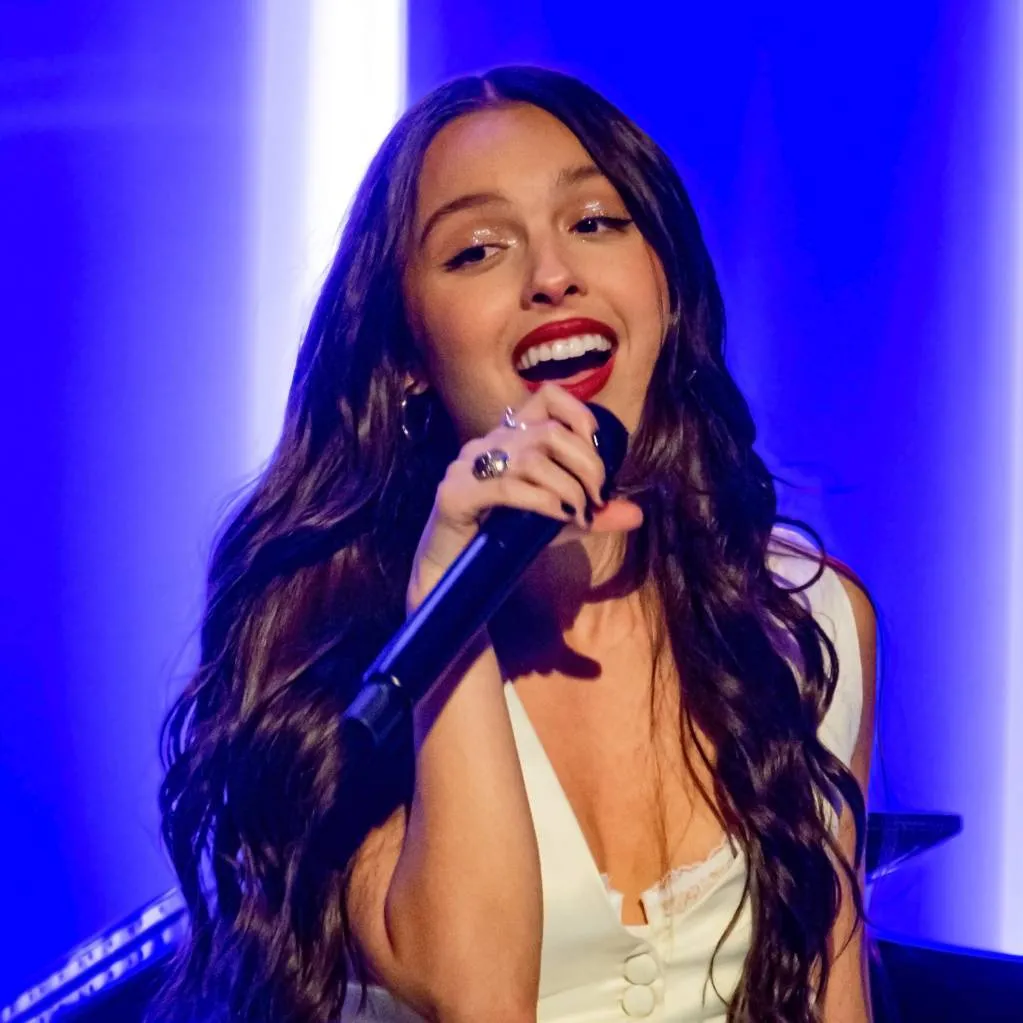 Photo: Olivia Rodrigo, via media.koobit.com
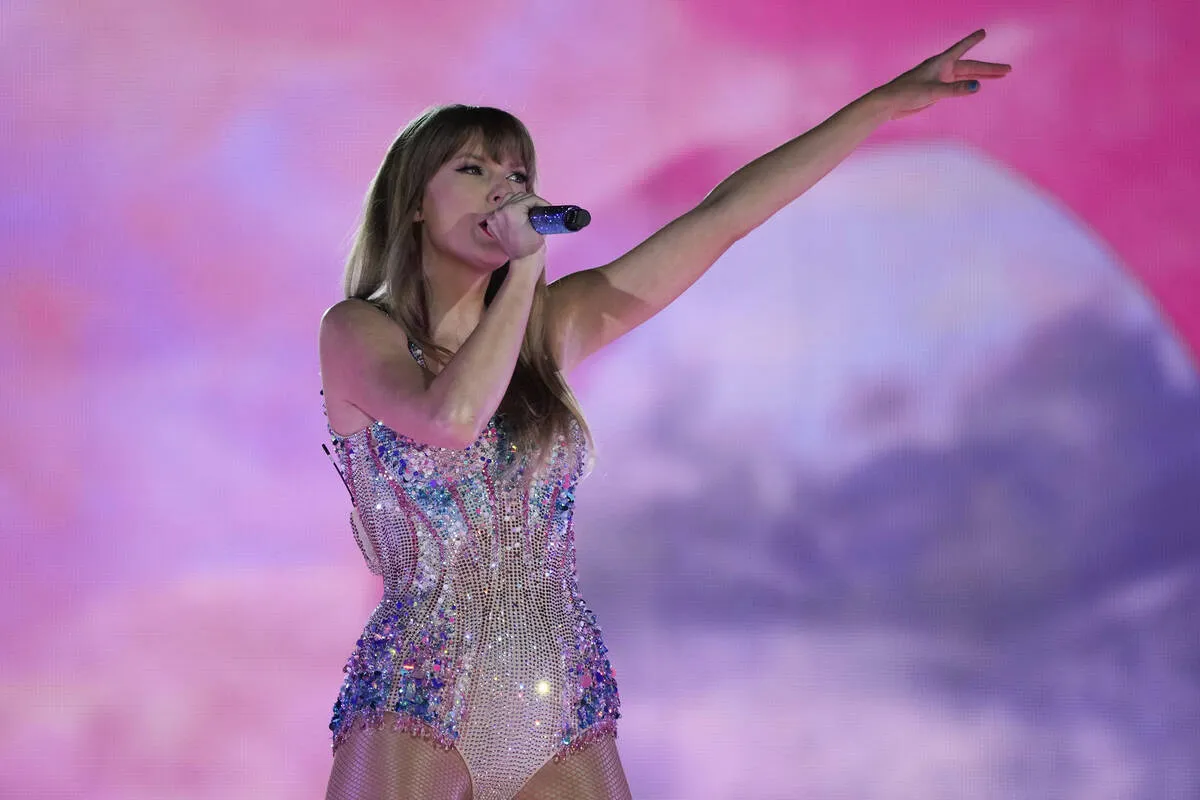 Photo: Taylor Swift, via www.reviewjournal.com
We're living through the golden age of what insiders are quietly calling the "Breakup Album Industrial Complex" — a perfectly oiled machine that transforms romantic devastation into streaming numbers that would make Wall Street jealous. And honestly? The efficiency is getting a little suspicious.
The Formula Is Getting Too Perfect
Let's talk numbers, because the patterns are wild. Swift breaks up with Joe Alwyn after six years, and boom — "Midnights" becomes the fastest-selling album of 2022. Rodrigo's teenage heartbreak over Joshua Bassett turns into "Sour," which dominated charts for months. Even Ariana Grande's post-Pete Davidson "Thank U, Next" era generated more cultural impact than most artists see in entire careers.
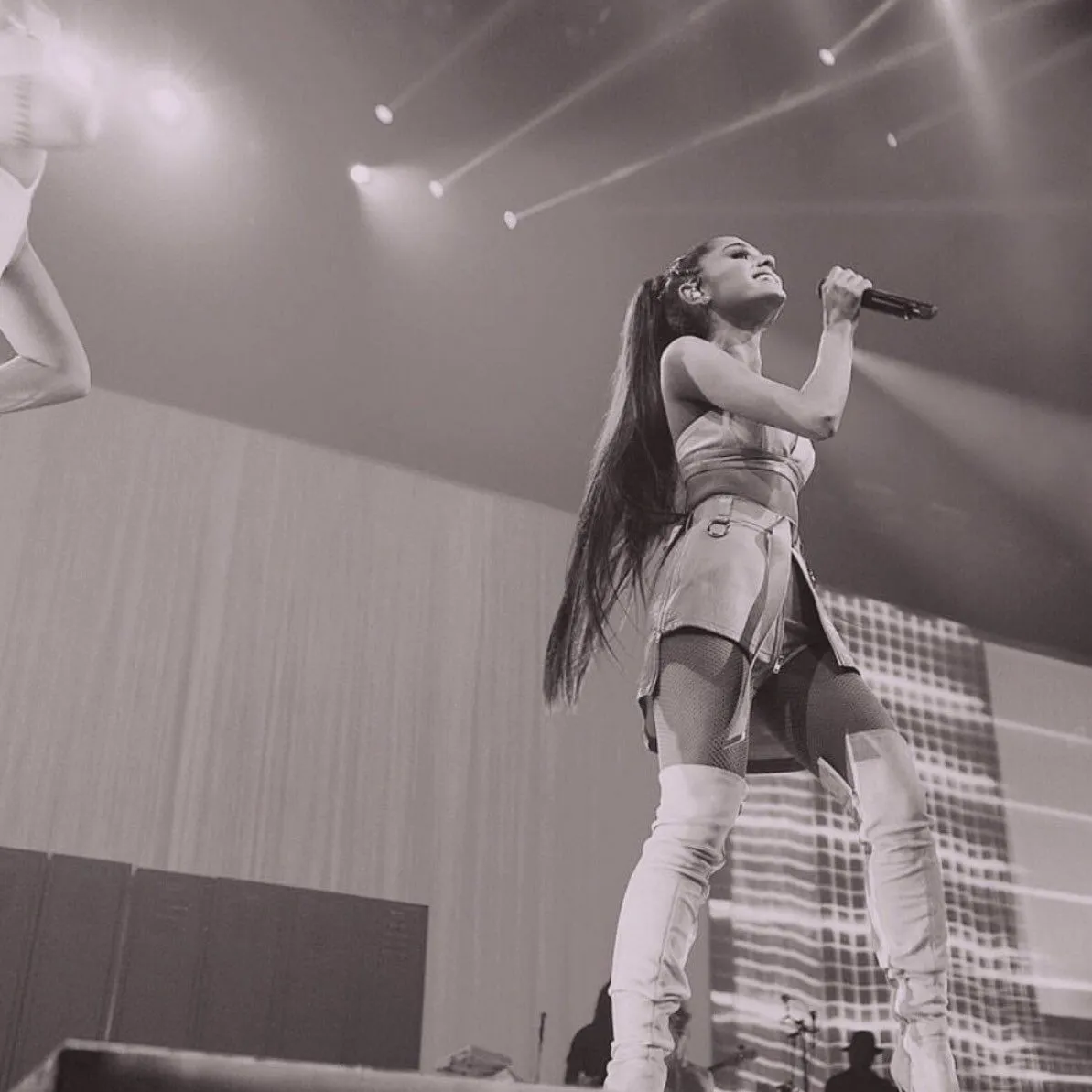 Photo: Ariana Grande, via i.pinimg.com
The timeline is always suspiciously clean: relationship ends, mysterious studio sessions begin, cryptic social media posts start dropping, and then BAM — a complete emotional autopsy set to catchy melodies arrives exactly when streaming algorithms are hungriest.
"It's become so predictable that we're basically waiting for the album announcement before the breakup is even confirmed," says music industry analyst Sarah Chen. "The emotional processing time has shrunk to match album production schedules."
When Pain Becomes Product
Here's where it gets uncomfortable: these aren't just songs anymore, they're entire multimedia experiences designed to extract maximum emotional investment from audiences. Limited edition vinyl variants with different breakup eras, deluxe versions with voice memos of actual crying sessions, music videos that read like public therapy sessions.
The Olivia Rodrigo phenomenon is particularly fascinating because it weaponized teenage heartbreak in ways that felt both authentic and calculating. "Drivers License" wasn't just a song — it was a cultural moment that had millions of Gen Z listeners sobbing in their cars, creating TikToks about their own romantic disasters, and essentially funding Rodrigo's entire career launch through shared emotional trauma.
But here's the thing: it worked so well that now every pop star under 25 is apparently having the most devastating, album-worthy heartbreak of all time. Coincidence? Probably not.
The Audience Is Getting Wise
Fans aren't stupid. They've started tracking the patterns, creating elaborate conspiracy boards on Reddit and TikTok that map relationship timelines against album release schedules. The most dedicated sleuths can predict entire discographies based on dating rumors and studio check-ins.
"We know when Taylor's in her feelings because the collaborators change," explains @SwiftConspiracy, a Twitter account with 200K followers dedicated to tracking Swift's creative patterns. "Sad Taylor works with different producers than Happy Taylor. It's like emotional meteorology."
The parasocial relationship has evolved beyond simple fandom — audiences now feel like they're investors in their favorite artists' romantic disasters. They're not just consuming the music; they're consuming the mythology around the pain that created it.
The Economics of Emotional Exploitation
Record labels have noticed. There are whispers about A&R executives specifically seeking out artists with "marketable romantic complexity" and development deals that include clauses about "authentic emotional content creation." Some industry veterans are starting to wonder if we're witnessing the commodification of human vulnerability on an unprecedented scale.
"Twenty years ago, we told artists to keep their personal lives private," admits former Atlantic Records executive Marcus Rodriguez. "Now we're basically asking them to live-stream their therapy sessions and turn the transcripts into hit singles."
The financial incentives are impossible to ignore. Breakup albums consistently outperform "happy" albums in streaming numbers, merchandise sales, and cultural impact. Swift's heartbreak eras generate more revenue than most Fortune 500 companies, and everyone's taking notes.
When Real Life Becomes Performance Art
The most unsettling possibility is that the line between authentic emotion and strategic content creation has completely disappeared. Are these artists actually processing their feelings through music, or are they manufacturing feelings to process through music?
Consider the recent trend of "easter eggs" and hidden messages in breakup albums — elaborate puzzles that require fans to decode lyrics, analyze music videos, and piece together relationship timelines like amateur detectives. This level of intentional complexity suggests a creative process that's less about emotional catharsis and more about audience engagement strategy.
The Future of Manufactured Heartbreak
As artificial intelligence gets better at analyzing what makes songs emotionally resonant, and as social media algorithms become more sophisticated at predicting which personal revelations will go viral, we're heading toward a future where heartbreak might be entirely algorithmic.
Imagine AI-generated relationship drama designed specifically to produce the most streamable breakup anthems. We're probably closer to that reality than anyone wants to admit.
For now, though, the Breakup Album Industrial Complex continues to churn out hits while fans willingly participate in what might be the most profitable emotional manipulation scheme in entertainment history. And honestly? Most of us are too busy crying along to the latest heartbreak anthem to care about the ethics.
Just don't be surprised when your favorite pop star's next relationship feels like it was focus-grouped for maximum album potential. In 2024, love might be real, but heartbreak is definitely a business strategy.