The Internet's Crystal Ball: When Fan Fiction Accidentally Became Investigative Journalism
Somewhere between the 50,000-word enemies-to-lovers Harry Styles fanfiction and the elaborate Tumblr conspiracy theories about Taylor Swift's secret messages, the internet's most unhinged writers accidentally became Hollywood's most accurate fortune tellers. And honestly? It's getting weird.
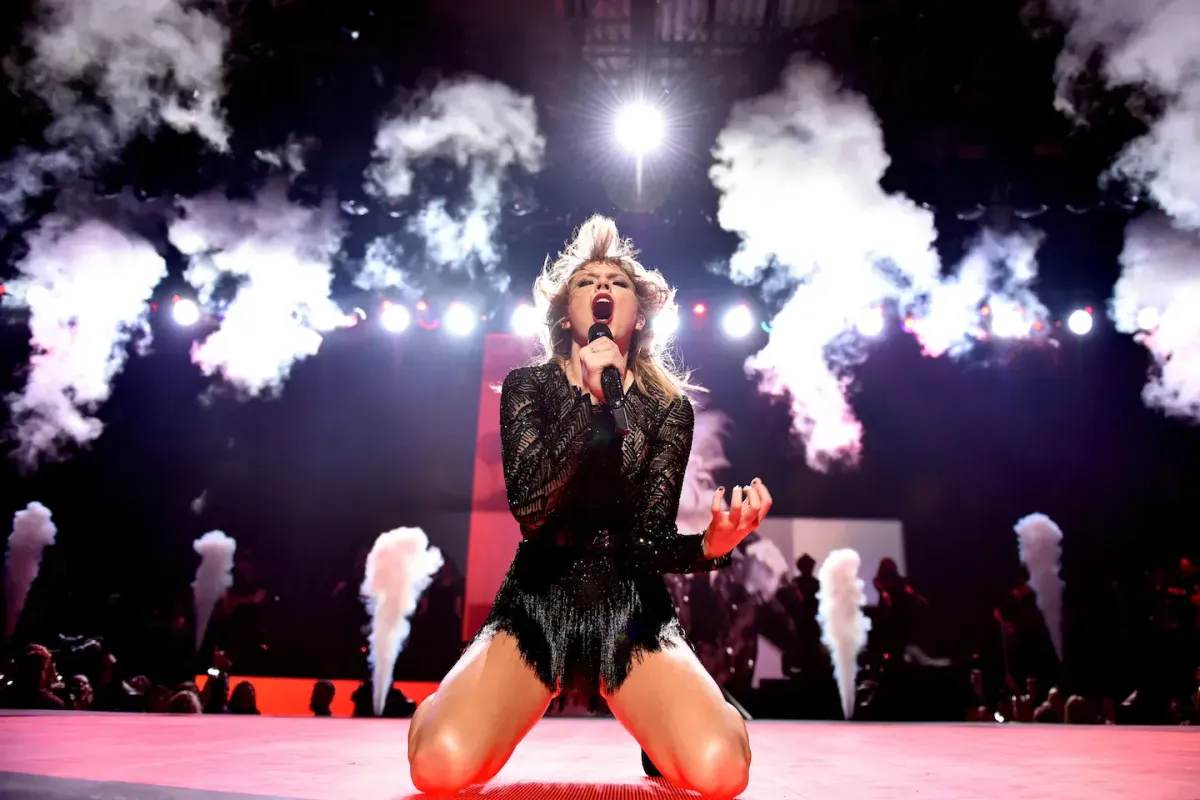 Photo: Taylor Swift, via cdn2.allevents.in
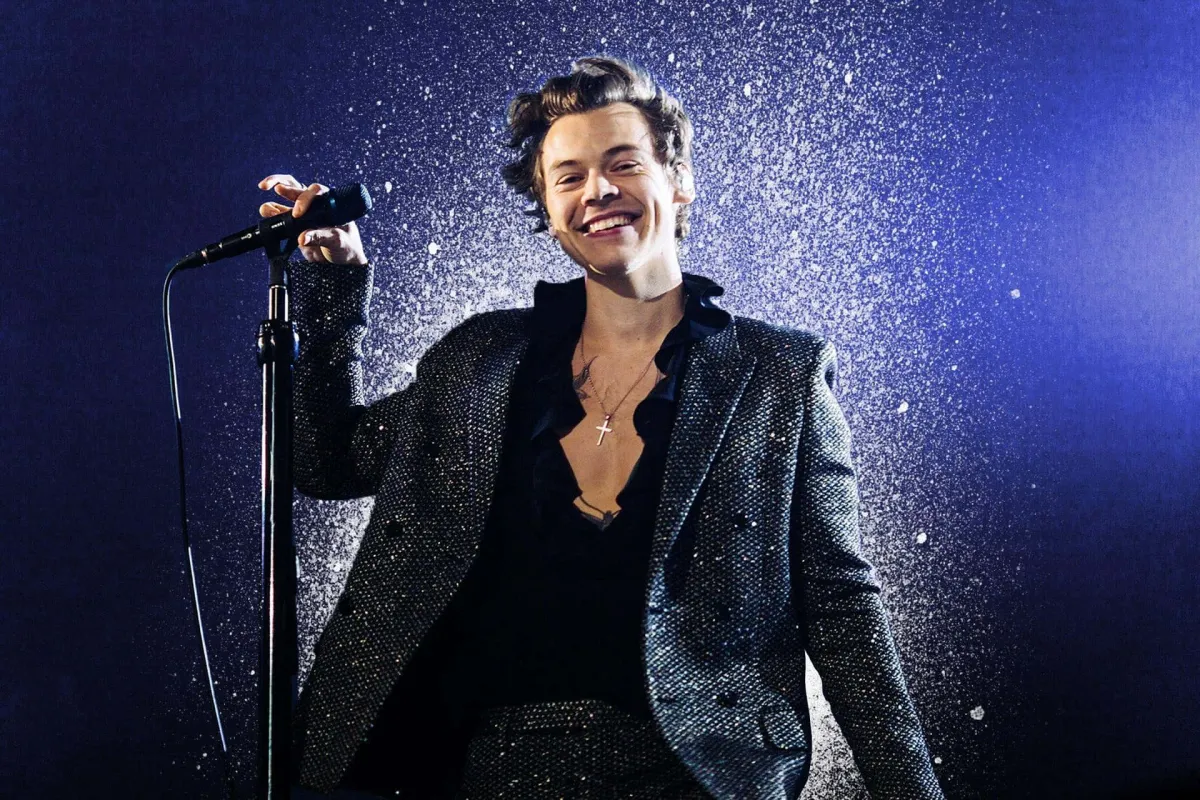 Photo: Harry Styles, via wallpapers.com
We're living in an era where fan fiction authors are predicting celebrity drama with more accuracy than Entertainment Tonight, and teenage conspiracy theorists on stan Twitter are breaking news before Variety. The collective imagination of extremely online fans has evolved into something that looks suspiciously like crowd-sourced investigative journalism — if investigative journalism involved a lot more speculation about who's dating whom and significantly more creative use of the enemies-to-lovers trope.
When Imagination Meets Reality (And Gets Uncomfortably Close)
Let's start with the most jaw-dropping example: the Tumblr post from 2019 that outlined, in excruciating detail, how a certain pop star's carefully curated public relationship was actually elaborate PR theater designed to distract from a secret same-sex romance. The post included timeline analysis, body language interpretation, and social media archaeology that would make actual detectives jealous.
Two years later, when the "fake" relationship ended exactly as predicted and the rumored secret romance was quietly confirmed, the original post went viral again with thousands of comments screaming "HOW DID THEY KNOW??"
The author's response? "I was just writing what felt emotionally true. I didn't think I was actually predicting anything."
The Archive of Our Own Prophecies
AO3 (Archive of Our Own) has become an accidental repository of celebrity predictions disguised as romantic fiction. The most dedicated fan fiction archaeologists have started maintaining spreadsheets tracking which "completely fictional" scenarios ended up happening in real life.
The hits include:
- A 2018 fanfic about a young pop star's mental health struggles that predicted her public breakdown almost beat-for-beat
- Multiple stories about a certain Marvel actor's behind-the-scenes conflicts that preceded his very public departure from the franchise
- An elaborate multi-chapter story about industry nepotism that name-dropped specific executives who were later implicated in actual scandals
"We're not trying to predict the future," explains @FicArchaeologist, a Twitter account dedicated to tracking these coincidences. "We're just really good at pattern recognition and we have way too much time to analyze celebrity social media behavior."
The Tumblr Detective Agency
Tumblr's long-form posting format has created space for the kind of deep-dive analysis that would make conspiracy theorists proud. Users regularly post 3,000-word essays analyzing everything from Instagram posting patterns to award show seating arrangements, building elaborate theories about celebrity relationships, career moves, and personal drama.
The scary part? They're right an uncomfortable percentage of the time.
Take the infamous "Gaylor" community — Taylor Swift fans who analyze her work for evidence of queer themes and relationships. Whether you believe their theories or not, their analytical skills are genuinely impressive. They've correctly predicted album themes, identified collaborators before official announcements, and called major career moves months in advance.
Their secret weapon? Treating celebrity social media like a puzzle to be solved rather than content to be passively consumed.
Stan Twitter's Collective Intelligence Network
Stan Twitter operates like a distributed intelligence network that would make the CIA jealous. When rumors start circulating, thousands of dedicated fans immediately begin fact-checking, cross-referencing sources, and building comprehensive timelines that often reveal information mainstream media missed.
The BTS fandom (ARMY) has become legendary for their investigative capabilities. They've identified stalkers, debunked false rumors, and tracked down the sources of leaked information with efficiency that puts professional security firms to shame. Their collaborative fact-checking has prevented multiple potential scandals and misinformation campaigns.
"We know our artists better than their own publicists," explains @BTSInvestigates, a fan account with 150K followers. "We notice when something's off because we're paying attention to details that reporters ignore."
The Wattpad Prophecy Archive
Wattpad, the platform where millions of young writers cut their teeth on celebrity fan fiction, has produced some of the most eerily accurate predictions in internet history. The platform's recommendation algorithm has created echo chambers where similar theories get reinforced and refined until they become surprisingly sophisticated analyses.
One legendary example: a 2017 Wattpad story about a Disney Channel star's transition to adult music career that predicted not just the aesthetic changes and collaborators, but the specific controversies and public relationship drama that would define her rebrand. The story was written by a 16-year-old who claimed she was "just imagining what felt realistic."
When real life followed the fanfic plot almost exactly, the author became a minor internet celebrity herself.
The Psychology of Parasocial Prediction
There's actual science behind why extremely online fans are so good at predicting celebrity behavior. Parasocial relationships — one-sided emotional connections with media figures — create intense investment in understanding and predicting their actions.
"Fans develop sophisticated mental models of their favorite celebrities," explains Dr. Sarah Chen, who studies fan culture at USC. "They're processing enormous amounts of information about these people's patterns, preferences, and psychological tendencies. In many ways, they know these celebrities better than the celebrities know themselves."
Combine that psychological investment with the internet's capacity for collective analysis, and you get prediction accuracy that borders on supernatural.
When Fiction Becomes Journalism
The most unsettling development is that some fan fiction writers are starting to approach their work like actual investigative reporting. They're citing sources, fact-checking details, and building narratives based on publicly available information rather than pure imagination.
The line between "creative writing inspired by real people" and "speculative journalism" has become uncomfortably blurry. Some authors include disclaimers that read like legal documents, protecting themselves from potential lawsuits while maintaining plausible deniability about their sources.
The Professional Media Panic
Traditional entertainment journalism is quietly freaking out about being consistently scooped by teenagers with WiFi and too much free time. Fan communities are breaking stories, predicting trends, and analyzing celebrity behavior with resources that professional outlets can't match.
"We're being out-reported by people who don't consider themselves reporters," admits one entertainment journalist who requested anonymity. "They have access to information sources and analytical capabilities that we're still trying to understand."
Some outlets have started hiring former fan account operators as social media analysts and trend predictors. The transition from stan Twitter to professional media is becoming an actual career path.
The Future of Collective Prediction
As social media algorithms get more sophisticated and fan communities become more organized, their predictive capabilities will probably get even more accurate. We're heading toward a future where the internet's collective imagination might become more reliable than traditional celebrity reporting.
The implications are wild: What happens when fan fiction becomes indistinguishable from prophecy? When stan Twitter's collective intelligence network becomes more powerful than professional intelligence agencies? When the line between imagination and investigation disappears entirely?
For now, we're living in the golden age of accidental internet prophecy, where the most unhinged fan theories have an uncomfortable tendency to come true. And honestly? It's the most entertaining conspiracy theory of all time — except it's not really a theory anymore.
The internet's crystal ball is real, it's powered by parasocial relationships and unlimited WiFi, and it's probably predicting your favorite celebrity's next career move right now. You just have to know where to look.