The Death of the DJ (And You Probably Didn't Even Notice)
Remember when discovering new music meant waiting for your favorite radio DJ to drop something fresh? Or scrolling through music blogs at 2 AM hoping to find your new obsession? Those days are deader than a flip phone, and honestly, most of us are too busy jamming to our Discover Weekly to mourn them.
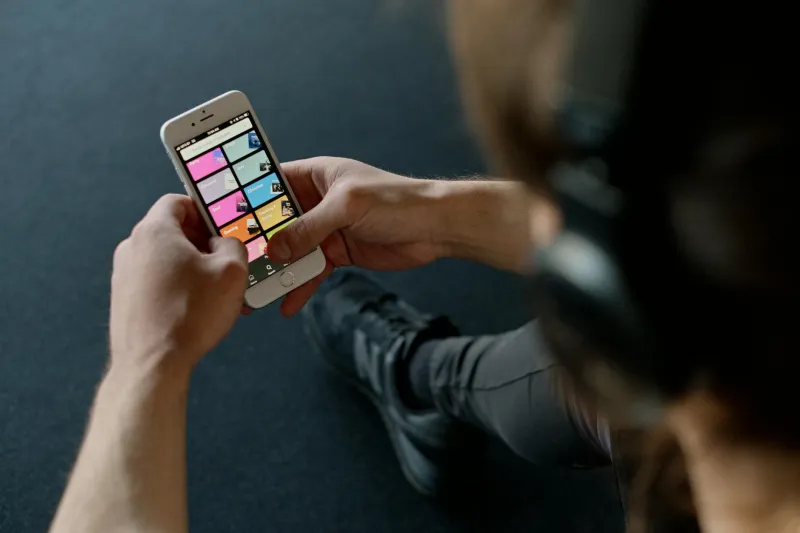
Welcome to the age of algorithmic taste-making, where artificial intelligence has quietly become the most influential music executive in America. Every Monday morning, 500 million Spotify users wake up to a perfectly curated playlist that somehow knows their deepest musical desires better than they do. It's equal parts magical and terrifying.
When Machines Make Hits (And Break Hearts)
The numbers don't lie: playlist placement can literally make careers overnight. Take Clairo, whose bedroom-recorded "Pretty Girl" exploded after landing on Spotify's indie playlists, racking up millions of streams before she'd ever played a real venue. Or Billie Eilish, who went from uploading tracks in her childhood bedroom to Grammy domination, largely thanks to algorithmic discovery pushing her music to the right ears at the right time.
But here's where it gets wild — major labels have caught on, and they're basically reverse-engineering the algorithm like it's some kind of musical cheat code. They're studying streaming data, analyzing what makes songs "sticky," and cranking out tracks designed specifically to game the system. It's like SEO, but for your feelings.
The Playlist Industrial Complex
Spotify's editorial team has become more powerful than Rolling Stone ever dreamed of being. Getting added to "Today's Top Hits" or "RapCaviar" is the modern equivalent of getting your video on MTV's Total Request Live — except the stakes are infinitely higher. These playlists reach millions of listeners instantly, turning unknown artists into household names faster than you can say "skip track."
Apple Music isn't sitting on the sidelines either. Their human-curated approach positions real people as the antidote to algorithmic monotony, but let's be real — even their "human touch" is informed by mountains of data about what their users actually stream, skip, and save.
The Dark Side of Digital Discovery
Here's what nobody talks about: the system is absolutely rigged, and everyone knows it. Streaming farms in developing countries pump up play counts for pennies. Bot networks create fake engagement. Some artists are literally paying playlist curators under the table for placement, turning music discovery into a pay-to-play scheme that would make old-school radio payola look quaint.
The result? That "organic" discovery you're experiencing might be anything but. Your algorithm isn't just learning your taste — it's being fed by an ecosystem of manipulation, marketing, and straight-up fraud.
Why We're All Addicted to the Feed
Despite all this behind-the-scenes chaos, we can't stop hitting "play" on our algorithmic recommendations. Why? Because they work. The combination of collaborative filtering ("people like you also enjoyed") and audio analysis ("this song has similar vibes to your favorites") creates a feedback loop that's genuinely addictive.
Streaming platforms have essentially turned music consumption into a social media experience. Every song you play, skip, save, or share feeds back into the machine, making it smarter and more precise. It's like having a musical stalker who actually knows what you want to hear.
The Future Sounds Like... More of the Same?
As algorithms get more sophisticated, they're creating something unprecedented in music history: a global monoculture of taste. The same songs that blow up in Los Angeles are simultaneously conquering playlists in Nashville, Miami, and Seattle. Regional music scenes that took decades to develop are being flattened by the tyranny of the universal algorithm.
But here's the twist — some artists are fighting back by deliberately making "un-algorithmic" music. They're creating songs that are too weird, too long, or too experimental for the machine to categorize. It's musical rebellion in the digital age, and honestly, we're here for it.
The Bottom Line: Embrace Your Robot Overlord
Like it or not, the algorithm has won. It's not going anywhere, and frankly, most of us don't want it to. Sure, we've traded the human touch of music discovery for the cold efficiency of machine learning, but the results speak for themselves. We're discovering more new music than ever before, even if we're all kind of discovering the same stuff.
The real question isn't whether algorithms should control our music taste — they already do. The question is whether we're okay with that. And judging by those streaming numbers, the answer is a resounding "yes, please, and make it louder."