The Paw-some Truth About Internet Fame
Let's get one thing straight: your favorite celebrity probably has fewer Instagram followers than a pug who wears tiny hats. While A-listers are out here paying publicists six figures to manage their image, animals are becoming global superstars simply by existing, being cute, and occasionally wearing costumes.
Welcome to the wild world of pet influencers, where a dog named Jiffpom has 9 million Instagram followers and probably makes more money per post than most Hollywood actors. It's not just cute — it's a multi-billion-dollar industry that's reshaping what we think celebrity means in 2025.
When Pets Pay the Bills (Better Than Humans)
Noodle the Pug didn't just become internet famous — he became a cultural phenomenon. His daily "bones or no bones" TikTok videos turned into a legitimate barometer for how millions of Americans approached their day. No bones day? Time to take it easy. Bones day? Let's conquer the world. A 13-year-old pug was literally setting the national mood, and brands took notice.
Before Noodle passed away in 2022, his owner Jonathan Graziano had turned those simple videos into book deals, merchandise lines, and sponsorship opportunities that most human influencers would kill for. That's the power of pet content — it's pure, authentic, and completely immune to cancel culture.
The Economics of Adorable
Here's where things get really wild: pet influencer marketing is now a $1.7 billion industry. Grumpy Cat, who died in 2019, earned her owners over $100 million during her lifetime through appearances, merchandise, and even a Lifetime movie. Let that sink in — a permanently annoyed feline was more financially successful than most Oscar winners.
Current champions like Jiffpom command anywhere from $32,000 to $50,000 per sponsored post. Doug the Pug, with his 3.8 million Instagram followers, has appeared in music videos, written books, and launched his own line of merchandise. These aren't just pets with social media accounts — they're full-fledged brands with business managers, agents, and marketing teams.
Why We're More Obsessed with Animals Than Actors
The psychology behind pet influencer obsession is actually fascinating. In an era where human celebrities constantly disappoint us with scandals, political hot takes, and general messiness, animals offer something revolutionary: pure entertainment without the baggage.
A golden retriever can't have a Twitter meltdown. A cat won't get canceled for old problematic tweets. A hamster isn't going to start selling cryptocurrency or join a weird cult. They just... exist, look cute, and make us smile. In our current cultural moment, that's apparently exactly what we need.
The Humans Behind the Fur
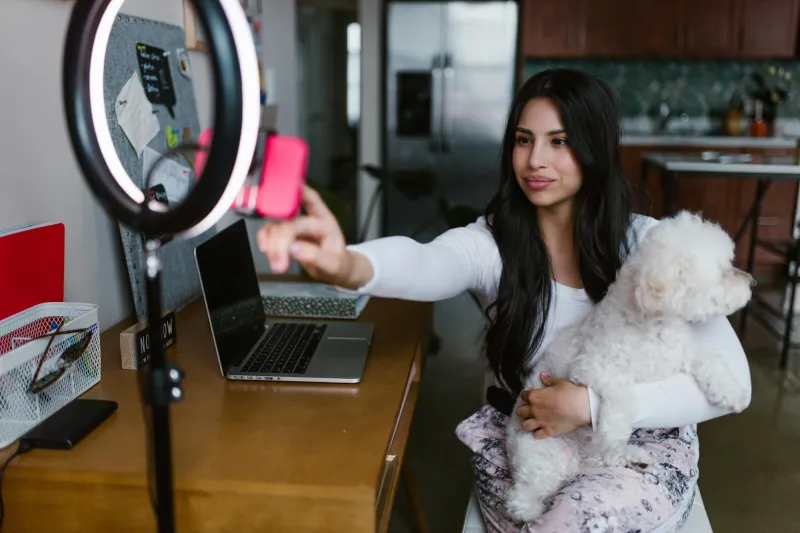
Of course, every successful pet influencer has a very human team working behind the scenes. These owners have become master content creators, photographers, and brand managers. They wake up every day thinking about lighting, engagement rates, and which cute outfit will photograph best for sponsored content.
Some have quit their day jobs entirely to manage their pet's career full-time. Others have built entire production companies around their animal stars. It's like being a stage parent, except your kid is a French Bulldog who wears designer sweaters.
The Dark Side of Pet Fame
But let's keep it real — this industry has its problems. Animal welfare concerns are legitimate when pets are constantly being dressed up, traveled with, and put in potentially stressful situations for content. Some critics argue that the pressure to constantly create content can be harmful to the animals involved.
There's also the question of authenticity. As pet influencer marketing has exploded, some accounts have become so produced and commercialized that they've lost the genuine charm that made them popular in the first place. When your dog's Instagram has a content calendar and a media kit, have you gone too far?
The Future Is Furry
The pet influencer trend shows no signs of slowing down. If anything, it's evolving. We're seeing more sophisticated content, longer-form storytelling, and even pets with their own podcasts and YouTube series. Some animal influencers are now "collaborating" with human celebrities, creating a weird new category of cross-species celebrity partnerships.
Virtual and AI pets are starting to emerge too, because apparently we've reached a point where even our fake animals can be influencers. It's bizarre, it's brilliant, and it's probably the future.
The Tail End
At the end of the day, the rise of pet influencers says something profound about where we are as a culture. We're craving authenticity, joy, and simplicity in an increasingly complex world. While human celebrities are busy being problematic, pets are just being themselves — and apparently, that's exactly what we want to follow, like, and buy from.
So the next time you find yourself watching a TikTok of a corgi wearing a tiny chef's hat for the fifteenth time today, just remember: you're not just being entertained. You're participating in a cultural revolution where our biggest stars have four legs, wet noses, and absolutely zero interest in starting drama on social media. And honestly? That might be exactly what we need right now.