The Great Audio Gold Rush
Forget red carpets and movie premieres — the real power move in entertainment right now is buying a decent microphone and figuring out how to work Spotify's algorithm. While traditional Hollywood gatekeepers were busy protecting their exclusive club, a bunch of reality TV veterans and has-been pop stars quietly built media empires that would make network executives weep into their overpriced lattes.
We're living through the most dramatic reshuffling of celebrity hierarchy since social media convinced us that anyone could be famous. Except this time, the revolution is happening in our earbuds, and the results are absolutely bonkers.
The Unlikely Kings and Queens of Audio Content
Joe Rogan: From Fear Factor Host to $200 Million Podcasting God Rogan went from convincing people to eat bugs on TV to convincing Spotify to pay him nine figures for the right to host his conversations about aliens, MMA, and whatever else pops into his head. His show gets more listeners than most cable news networks get viewers, and he did it by basically just talking to people for three hours at a time.
Call Her Daddy's Alex Cooper: From Unknown to $60 Million Spotify Deal Cooper transformed from a relatively unknown podcaster to signing one of the biggest podcast deals in history. Her show about dating, relationships, and pop culture drama now rivals major television programs in reach and influence. She's essentially built a media empire by being the friend everyone wants to get relationship advice from.
The Kardashians: From Reality TV to Podcast Domination While Kim was busy becoming a lawyer and breaking the internet, the family quietly expanded into podcasting with multiple shows that generate millions of downloads. They've essentially created a podcast universe where every family member gets to be their own media mogul.
The Former Child Stars Finding Their Voice
Jennette McCurdy: From Nickelodeon to Bestselling Author McCurdy's podcast "Empty Inside" became a launching pad for her memoir "I'm Glad My Mom Died," which became a bestseller and cultural phenomenon. She went from being known as Sam from "iCarly" to becoming one of the most important voices discussing child stardom and family trauma.
Paris Hilton: From Simple Life to Sophisticated Media Empire Hilton's "This Is Paris" podcast revealed layers of her personality that reality TV never captured. She's used the medium to discuss serious topics like the troubled teen industry while maintaining her brand. It's like watching someone rebrand their entire public persona in real-time.
The Reality TV Refugees Building Audio Kingdoms
Bachelor Nation's Podcast Takeover Former contestants from "The Bachelor" and "Bachelorette" have created an entire podcast ecosystem. Shows like "Bachelor Happy Hour" and "Chatty Broads" generate millions in advertising revenue while giving former contestants ongoing relevance long after their 15 minutes should have expired.
Vanderpump Rules Cast: From Restaurant Drama to Podcast Riches The cast members have leveraged their reality TV fame into multiple successful podcasts, creating content empires that probably generate more income than their restaurant jobs ever did. They've essentially turned their personal drama into sustainable business models.
Why Podcasting Became the Great Equalizer
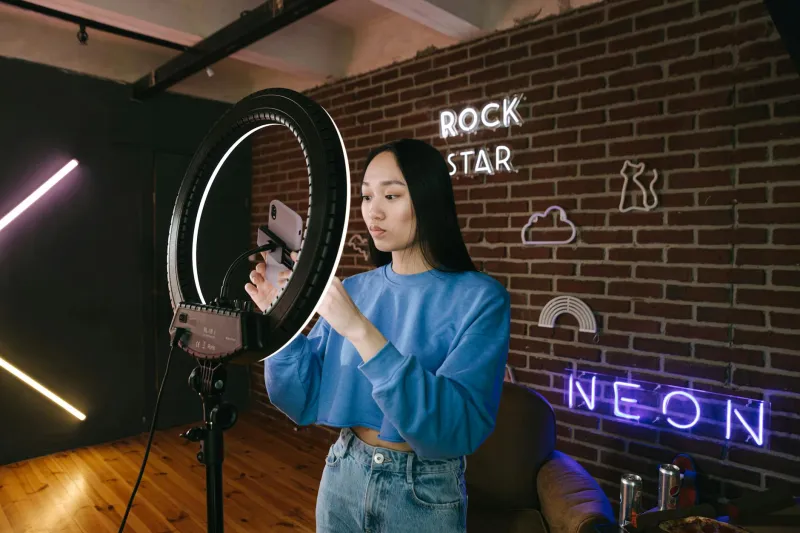
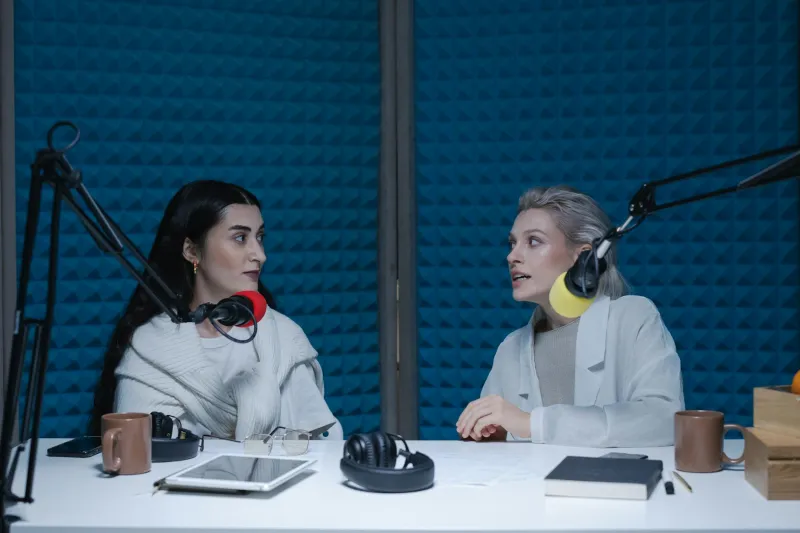
Low Barriers to Entry, High Potential Rewards Unlike traditional media, podcasting doesn't require studio time, network approval, or massive production budgets. All you need is a microphone, an opinion, and the ability to talk for an hour without boring people to death. This democratization has allowed celebrities who were previously gatekept out of traditional media to build their own platforms.
Direct Audience Relationships Podcasts create intimate connections between hosts and listeners that traditional media can't replicate. When someone talks directly into your ears for hours each week, you develop a parasocial relationship that's stronger than what you get from watching someone on TV or in movies.
Algorithm-Friendly Content Podcast algorithms reward consistency and engagement rather than traditional metrics like ratings or box office numbers. This means that a former reality star who can reliably produce engaging content can build a bigger audience than an A-list actor who only appears in movies once a year.
The Economics Are Absolutely Wild
Advertising Revenue That Rivals Traditional Media Top podcasters are commanding advertising rates that would make television executives jealous. Some shows charge $50,000+ for a 60-second ad spot, and they're running multiple ads per episode across dozens of episodes per month.
Subscription Models Creating Sustainable Income Platforms like Patreon allow podcasters to build subscription-based income streams that provide more financial stability than traditional entertainment careers. Some podcasters are making six figures annually from subscriber-only content.
Merchandise and Live Show Revenue Successful podcasters are turning their audio content into live touring shows, merchandise lines, and brand partnerships that create multiple revenue streams from a single content format.
The Traditional Media Panic
Networks Scrambling to Sign Podcast Talent Traditional media companies are desperately trying to sign successful podcasters, often paying premium rates for talent they previously would have ignored. It's like watching the music industry's response to streaming, except this time it's happening in real-time.
Celebrity Podcast Land Grab Established celebrities are rushing to launch podcasts, often with mixed results. It turns out that being famous doesn't automatically make you good at talking into a microphone for an hour, and audiences can tell the difference between authentic content and celebrity cash grabs.
The Dark Side of the Audio Revolution
Oversaturation and Discovery Problems With everyone launching podcasts, the market is becoming increasingly crowded. Standing out requires either existing fame, exceptional content, or marketing budgets that defeat the "democratization" promise of the medium.
The Authenticity Paradox As podcasting becomes more profitable, there's pressure to manufacture the kind of authentic, unfiltered content that made the medium successful in the first place. Some podcasters are struggling to maintain their authentic voice while building sustainable businesses.
What This Means for the Future of Celebrity
The podcast revolution has proven that traditional gatekeepers don't control relevance anymore. A reality TV contestant with a good microphone and interesting stories can build a bigger, more engaged audience than movie stars who only appear in public during press tours.
This shift is fundamentally changing how we think about celebrity, influence, and media power. The future belongs to people who can consistently create engaging content, regardless of whether they've ever been on a red carpet or won an award.
The Bottom Line: The Microphone Is Mightier Than the Sword
We're witnessing the most significant disruption of celebrity culture since the internet went mainstream. Former reality stars are out-earning Oscar winners, and the entertainment industry's traditional hierarchy is crumbling in real-time.
The best part? This revolution is just getting started. As podcast technology improves and new platforms emerge, we're likely to see even more dramatic shifts in who gets to be famous and how they monetize that fame.
Turns out all you really needed to become a media mogul was the willingness to talk into a microphone and the patience to build an audience one episode at a time. Who knew the future of entertainment would be so wonderfully democratic and completely chaotic?