Reality Check: How America Ditched Scripted Drama for the Messiest, Most Addictive TV Ever Made
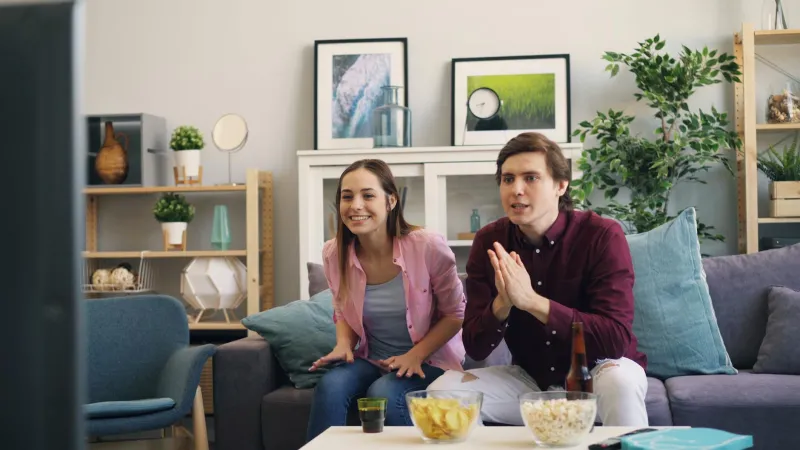
Reality Check: How America Ditched Scripted Drama for the Messiest, Most Addictive TV Ever Made
Remember when admitting you watched reality TV was like confessing to a secret addiction to gas station sushi? Those days are deader than the latest Bachelor's chances at finding true love. In 2024, reality television didn't just crawl out of the cultural gutter — it straight-up bought the penthouse and threw the wildest party television has ever seen.
The Great Flip: When "Trashy" Became Trendy
Somewhere between the last season of Game of Thrones disappointing literally everyone and the collective realization that prestige TV was getting a little too up its own ass, America made a choice. We collectively decided that watching actual humans make spectacularly bad decisions was infinitely more entertaining than watching fictional characters deliver monologues about the human condition.
The numbers don't lie — and honey, they're messier than a Love Island villa after cocktail night. Netflix's reality shows are consistently dominating their Top 10 lists, often outperforming big-budget scripted series that cost more than some countries' GDP. Love Is Blind has spawned more think pieces than a Marvel movie, and The Traitors has turned lying into an art form that would make politicians jealous.
The Algorithm Knows What We Want (And It's Chaos)
Here's the thing streaming platforms figured out while traditional networks were still trying to create the next Breaking Bad: audiences are craving authenticity, even when it's packaged in the most artificial environment possible. There's something deliciously ironic about finding "real" moments in shows where people are literally paid to live in glass houses and throw stones.
The Bear might technically be scripted, but its kitchen chaos feels more genuine than most reality shows. Meanwhile, actual reality shows like Selling Sunset are so perfectly produced they make soap operas look documentary-style. The line between real and fake has become so blurred, we're not even sure we care anymore — and that's exactly the point.
The Water Cooler Effect Goes Digital
Reality TV has mastered something that prestige dramas never quite cracked: the art of the collective viewing experience. When The Bachelor drops a bombshell, Twitter explodes faster than you can say "here for the wrong reasons." When someone gets eliminated from The Traitors, the internet becomes a detective agency worthy of True Detective.
These shows have turned watching TV into a participatory sport. You're not just consuming content; you're picking sides, making predictions, and arguing with strangers about whether Bethenny was right about the yacht situation. Try getting that level of engagement from the latest HBO limited series about a sad man having a midlife crisis.
The Streaming Wars' Secret Weapon
While Netflix and HBO Max were throwing billions at A-list actors and prestige projects, savvy platforms quietly realized that reality TV is the gift that keeps on giving. One season of The Real Housewives generates more social media buzz than most blockbuster movies, and it costs a fraction of what studios spend on superhero spectacles.
The production model is genius in its simplicity: find interesting people, put them in interesting situations, and let human nature do the heavy lifting. No need for writers' rooms, no CGI budgets, and if someone becomes problematic, you just... don't invite them back next season. It's capitalism meets entertainment in the most beautifully efficient way possible.
The Authenticity Paradox
Here's where things get really interesting: in an era of deepfakes and AI-generated everything, audiences are gravitating toward content that feels real, even when we know it's heavily produced. Reality TV participants might be following producer guidelines and storyline suggestions, but their reactions, their tears, their absolute mortification when they realize they've been played — that stuff is genuine.
We're living through a time when nothing feels real anymore, so we're clinging to the realest thing we can find, even if it's happening in a mansion filled with cameras and a craft services table. It's like choosing the least artificial artificial thing, and somehow that makes perfect sense.
What Happens When Reality Rules Everything?
As reality TV continues its cultural domination, the question isn't whether this trend will continue — it's how far it can go before we hit peak chaos. Are we heading toward a future where scripted content becomes the niche programming, relegated to the cultural sidelines while reality shows occupy the mainstream throne?
One thing's for certain: we've officially entered the era where watching real people navigate fake situations has become more compelling than watching fake people navigate real situations. And honestly? We're not mad about it. In a world that often feels like it's spinning out of control, there's something oddly comforting about watching other people's lives fall apart in perfectly produced, bite-sized segments.
So pour yourself a glass of wine, settle into your couch, and prepare to judge some strangers' life choices. Because in 2024, that's not just entertainment — it's America's favorite pastime.