Silicon Valley's Secret Invasion: How Tech Bros Are Quietly Replacing Your Favorite Movie Stars
Hollywood has survived plenty of existential threats — television, home video, streaming, superhero fatigue — but nothing quite like this. While A-listers were busy fighting for better catering and bigger trailers, a bunch of Stanford graduates in hoodies figured out how to make actors obsolete. And they're not even trying to hide it anymore.
The artificial intelligence revolution isn't coming to entertainment — it's already here, it's wearing a motion-capture suit, and it's probably cheaper than your favorite star's personal trainer. Welcome to the era where your next favorite actor might be a really convincing collection of algorithms with better cheekbones than Chris Hemsworth.
The Digital Invasion Has Already Begun
Forget the flashy headlines about AI-generated everything. The real action is happening in the mundane spaces where Hollywood actually operates: background actors, voice dubbing, and those expensive reshoots that happen when stars are too busy or too expensive to come back.
Major studios are already using AI for digital extras in crowd scenes, and the technology has gotten so sophisticated that you probably didn't notice the last time you saw a "crowd" of entirely synthetic humans cheering at a fictional basketball game. Disney's been quietly experimenting with AI voice doubles for their animated features, and Netflix has been testing digital stunt performers for action sequences that would normally require months of coordination and insurance paperwork.
"We can generate a crowd of 10,000 people for the cost of what we used to spend on craft services for 50 background actors," admits one visual effects supervisor who requested anonymity because his studio hasn't announced their AI initiatives yet. "The math is getting impossible to ignore."
The Resurrection Business Is Booming
The most controversial frontier isn't replacing living actors — it's bringing back dead ones. James Dean is starring in a new movie 68 years after his death, thanks to a combination of archival footage, AI modeling, and what his estate apparently considers "brand extension." Bruce Lee's digital likeness has been licensed for everything from commercials to potential film projects.
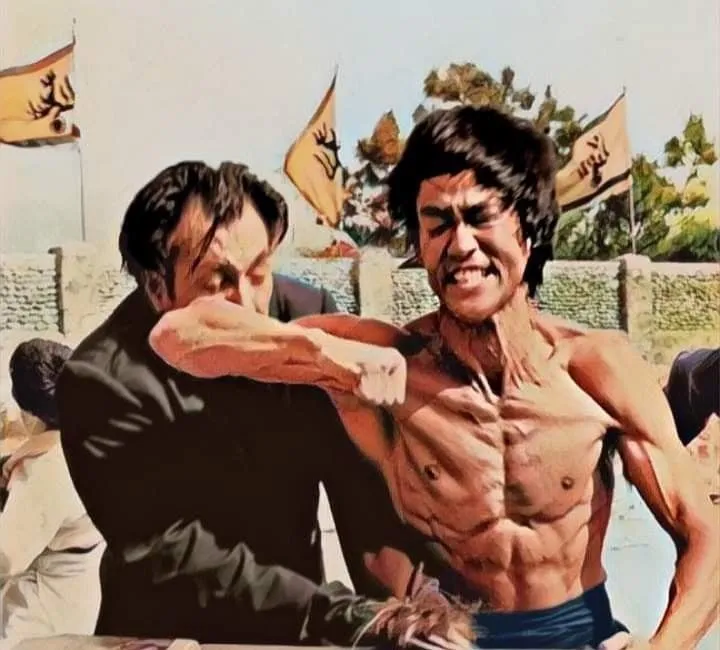 Photo: Bruce Lee, via i.pinimg.com
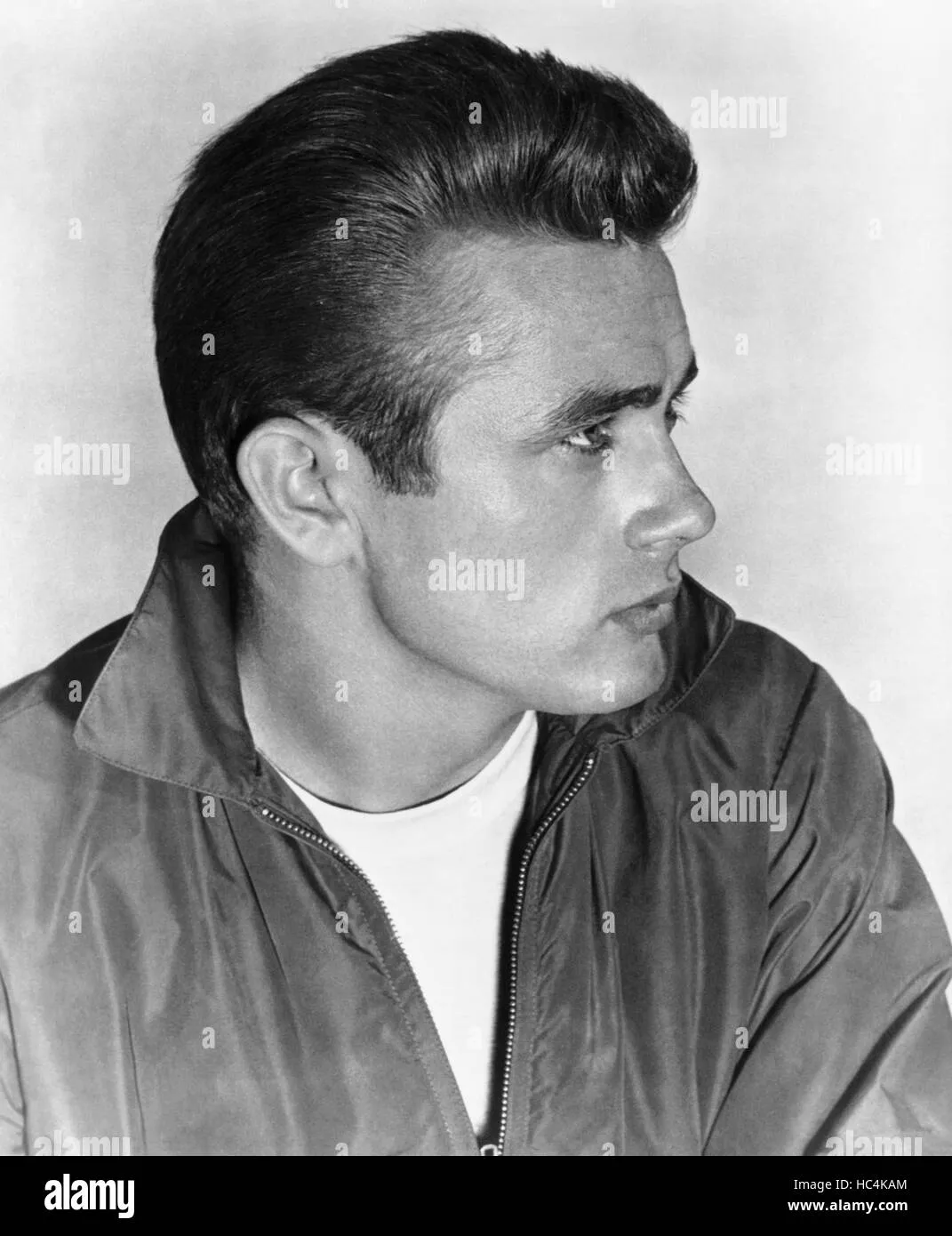 Photo: James Dean, via c8.alamy.com
This isn't just about nostalgia cash grabs. Studios are realizing that dead celebrities can't demand salary increases, don't have scheduling conflicts, and never cause PR disasters by saying something stupid on social media. From a purely business perspective, digital resurrection is the ultimate risk management strategy.
The technology has advanced to the point where entire performances can be generated from a few hours of source material. Companies like Metaphysic and Synthesia are offering services that can create convincing digital doubles from existing footage, and the results are getting disturbingly good.
Living Stars Are Quietly Freaking Out
Behind the glamorous facade, talent agencies are in full panic mode. CAA, WME, and UTA have all hired dedicated AI specialists, not to embrace the technology, but to figure out how to protect their clients from being digitally replaced. The most recent contract negotiations have included clauses about digital likeness rights that read like science fiction.
"Every major deal now includes language about AI usage that didn't exist five years ago," explains entertainment lawyer Jennifer Walsh. "We're essentially writing contracts for a future where an actor's face, voice, and mannerisms can be replicated without their physical presence."
Some A-listers are getting ahead of the curve by licensing their digital likenesses preemptively. Tom Hanks has been vocal about the fact that his digital double could theoretically continue making movies long after he retires or dies. It's a morbid but practical approach to career longevity that would have sounded insane a decade ago.
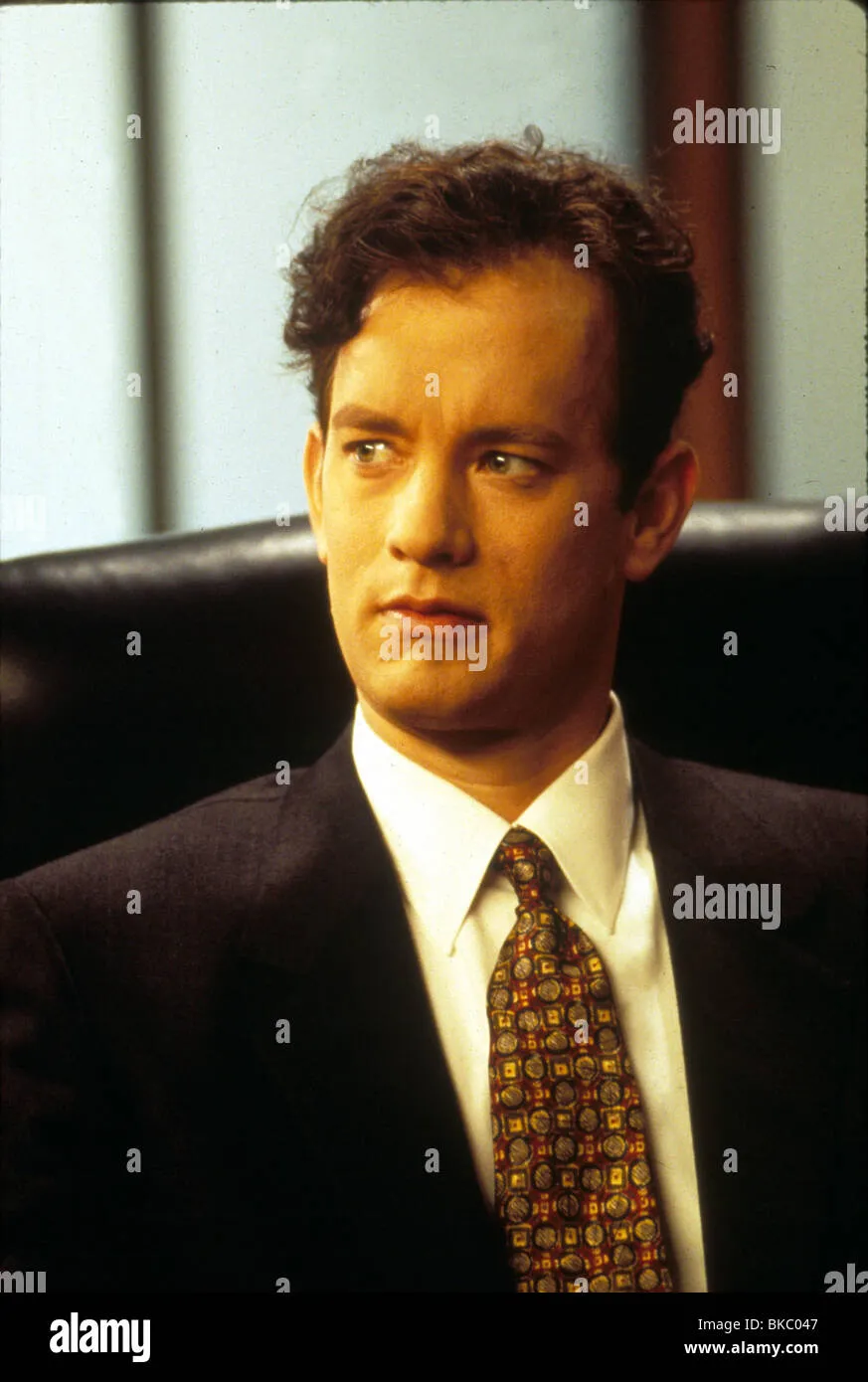 Photo: Tom Hanks, via c8.alamy.com
The Uncanny Valley Is Getting Crowded
The technology isn't perfect yet, but it's improving faster than most industry veterans expected. Current AI-generated performances still have subtle tells — slightly off eye movements, unnatural lip syncing, emotional expressions that don't quite match the dialogue. But these flaws are disappearing rapidly.
More importantly, audiences are becoming more accepting of digital performances. Gen Z viewers who grew up with heavily filtered social media content and virtual influencers are less bothered by the artificial aspects of AI-generated actors. For them, the line between "real" and "digital" performance was already blurry.
"We're training entire generations to accept synthetic humanity as entertainment," notes media critic Dr. Amanda Foster. "The question isn't whether AI actors will be good enough — it's whether audiences will care about the difference."
The Economics Are Brutal
Here's the uncomfortable truth: AI actors make financial sense in ways that human stars don't. They don't need health insurance, don't require union protections, can work 24/7 without breaks, and never demand creative control over their projects. A digital actor can star in multiple films simultaneously, appear in different age ranges for flashback sequences, and perform dangerous stunts without insurance liability.
The cost savings are staggering. A typical A-list actor might command $20-40 million per film, plus backend participation, luxury accommodations, and extensive support staff. A digital actor requires an upfront technology investment and ongoing licensing fees, but the long-term economics favor artificial performers by massive margins.
The Human Element Isn't Going Quietly
The Screen Actors Guild has been preparing for this fight longer than most people realize. Recent strikes included provisions about AI usage, and union leadership is pushing for regulations that would require explicit consent and compensation for any digital recreation of an actor's likeness.
But the technology is advancing faster than regulatory frameworks can adapt. International productions can sidestep US union protections, and the global nature of modern entertainment distribution makes enforcement increasingly complex.
Some actors are embracing collaboration rather than competition. Ryan Reynolds has experimented with AI-assisted dialogue generation, and several voice actors are working with AI companies to create "ethical" digital doubles that enhance rather than replace human performances.
The Future Is Uncomfortably Close
Within five years, we'll probably see the first major blockbuster starring an entirely AI-generated lead actor. The technology exists, the economic incentives are overwhelming, and audience acceptance is growing. The only remaining barriers are legal frameworks and industry tradition — both of which are under serious pressure.
The real question isn't whether AI will replace human actors, but which human actors will survive the transition. Performers who can offer something genuinely irreplaceable — unique creative vision, authentic emotional intelligence, cultural relevance that can't be algorithmically generated — will probably thrive.
Everyone else might want to start learning how to code.
The silicon invasion of Hollywood isn't a distant sci-fi scenario — it's happening right now, one digital extra at a time. And by the time most people notice, the war for human relevance in entertainment might already be over.