Lights, Webcam, Payday: The Surprisingly Lucrative World of Celebrity Shoutout Videos
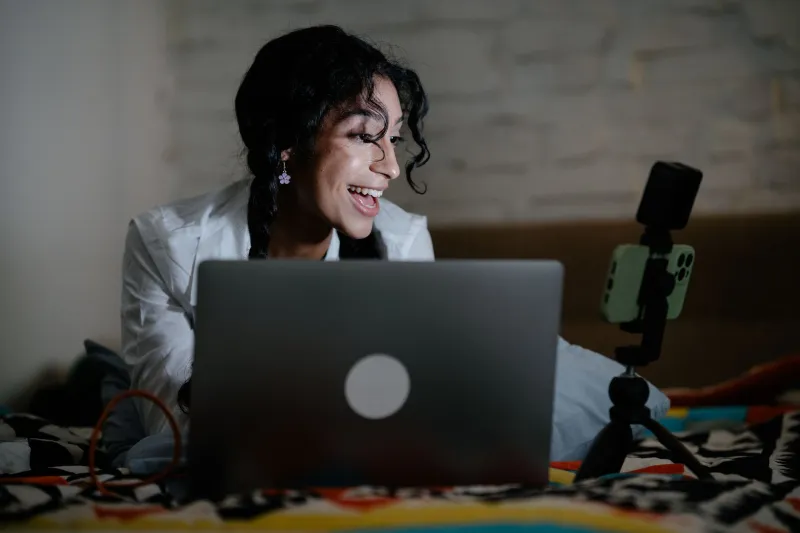
Picture the scene: it's 11 a.m. on a Tuesday. A man who played a lovable weirdo on a mid-2000s sitcom is sitting in a reasonably nice home office, wearing a clean shirt, holding a small handwritten notecard, and recording his fourteenth birthday message of the morning. His rate is $150 per video. He will record approximately twenty-five videos today. He will not be leaving the house.
This is the Cameo economy, baby, and it is absolutely thriving.
The personalized celebrity video shoutout industry — led most visibly by Cameo, the platform that launched in 2017 and quietly became one of the stranger success stories in entertainment tech — has turned the concept of faded fame into a surprisingly functional business model. And the numbers, in some cases, are genuinely wild.
The Hustle That Hollywood Forgot to Patent
Here's the basic premise, in case you've somehow avoided hearing about it: fans pay a fee, submit a request with some personal details, and a celebrity records a short personalized video message — birthday greetings, pep talks, roasts, proposals, you name it — and delivers it digitally within a few days.
Simple. Transactional. Weirdly intimate. And for a certain tier of celebrity — the recognizable-but-not-blockbuster crowd, the beloved TV character actors, the reality show legends, the athletes who peaked magnificently in 2007 — it has become a genuinely significant income stream.
Reports have placed some of Cameo's top earners at well into six-figure annual territory. We're talking real money. House-payment money. "I can afford to turn down the projects I don't want" money. And they're making it in their living rooms, in their pajamas, between cups of coffee.
If that doesn't make you reconsider your entire career trajectory, I don't know what will.
The Pricing Hierarchy Is Both Logical and Insane
Cameo's pricing structure is essentially a real-time market valuation of human relevance, and it is as fascinating as it is mildly horrifying. Rates reportedly range from a few dollars for someone you'd recognize from one episode of a show you watched in 2004, all the way up to several thousand dollars for genuine A-list adjacents who've decided to dabble.
The sweet spot — the performers genuinely cleaning up on the platform — tends to live in the $75–$300 range. These are the people with just enough name recognition to feel special to receive a message from, but accessible enough that it's an impulse purchase rather than a financial commitment. The Goldilocks zone of faded celebrity.
Some reported standouts over the years have included former NFL players, '90s sitcom staples, reality TV personalities from franchises that have since been canceled, and at least one person whose entire platform rests on having said one very memorable thing in a viral clip approximately eight years ago. The internet remembers everything, and it is prepared to pay $89 to have that memory wish its dad a happy birthday.
The Requests, Ranked by Pure Audacity
If the pricing structure is fascinating, the actual request queue is a masterpiece of American creativity.
The wholesome end of the spectrum is genuinely sweet: birthday messages for grandparents who grew up watching a particular actor, anniversary tributes, pep talks for people going through difficult times. These are nice. They are the reason the platform has a defensible emotional core.
Then there's the middle tier: elaborate inside jokes requiring three paragraphs of backstory, requests to "be in character as [character from 20 years ago]" with full dialogue scripted by the requester, and the ever-present ask to "say something mean to my friend in a funny way" — a request that apparently requires more nuance than it sounds.
And then there are the ones that defy easy categorization. The roast requests that are actually just someone's unresolved grudge delivered via proxy celebrity. The "motivational message" requests that are clearly intended to be shown in a business meeting. The ones that include so much personal context the celebrity is essentially being asked to do couples therapy in ninety seconds.
The performers navigate all of this with a professionalism that is, frankly, underappreciated.
The Most Honest Transaction in Show Business
Here's what's genuinely interesting about the Cameo model, beyond the entertainment value of the whole enterprise: it might actually be the most transparent deal in Hollywood.
Traditional celebrity culture is built on illusion. The parasocial relationship, the carefully managed public persona, the sense that you know someone you absolutely do not know — these are the foundational fictions of the entertainment industry. Cameo strips all of that away entirely.
You are paying a specific dollar amount for a specific deliverable from a specific person. There is no pretense of connection. There is no illusion of friendship. The celebrity knows why you're there, you know why you're there, and the resulting video is exactly what was advertised. It's a commodity exchange with a human face, and in the context of an industry built almost entirely on manufactured intimacy, that honesty is kind of refreshing.
The celebrity gets paid, the fan gets a personalized artifact of their parasocial affection, and everyone walks away satisfied. It's arguably more dignified than half the actual Hollywood transactions that happen in actual Hollywood.
So Is This the Future of Fame?
The Cameo economy raises a genuinely interesting question about what celebrity actually is and what it's actually worth.
For the stars at the very top of the food chain, the platform is a novelty — a fun side experiment, maybe a charity play. But for the vast middle tier of American entertainment, the actors and athletes and personalities who were genuinely famous for a while and are now living in the long tail of their recognition, it offers something genuinely valuable: a way to monetize the thing they built without having to pretend it's still at its peak.
There's something almost liberating about that. No agents, no auditions, no waiting for the phone to ring. Just you, your ring light, a decent internet connection, and an audience that still cares enough to pay for three minutes of your time.
Honestly? We've seen worse business models. And we've definitely seen sadder ones.