The Phoenix Playbook: How Getting Canceled Became Hollywood's Weirdest Career Boost
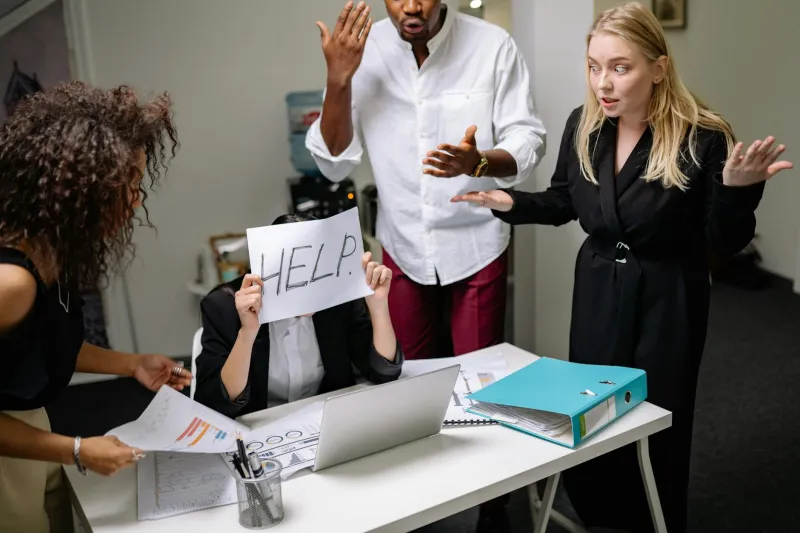
Welcome to Cancelation Station, Population: Rich
Remember when getting "canceled" was supposed to be a career death sentence? Cute. Turns out, in 2024's attention economy, there's nothing quite like a good public shaming to remind everyone why they cared about you in the first place. And the receipts are in: most canceled celebrities don't just survive—they come back richer, more famous, and somehow more beloved than before.
It's almost like there's a playbook for this stuff. Spoiler alert: there absolutely is, and it's more effective than any traditional PR campaign money can buy.
The Cancelation Lifecycle: A Scientific Breakdown
After analyzing dozens of high-profile cancellations over the past five years, a clear pattern emerges. The average celebrity cancellation follows a predictable six-stage arc:
Stage 1: The Incident (0-48 hours) Something surfaces. Could be old tweets, leaked audio, or just an unfortunately timed opinion. The internet collectively loses its mind.
Stage 2: The Pile-On (48 hours - 2 weeks) Everyone with a Twitter account becomes a moral authority. Think pieces multiply like rabbits. The celebrity's mentions become a digital wasteland.
Stage 3: The Silence (2 weeks - 6 months) Smart celebrities disappear completely. No apologies, no explanations, no defensive Instagram stories at 3 AM. Radio silence is golden silence.
Stage 4: The Strategic Return (6 months - 2 years) A carefully orchestrated comeback begins. Usually starts with a softball interview or a "candid" podcast appearance where they've "learned and grown."
Stage 5: The Rehabilitation Tour (1-3 years) Full media blitz. Book deals, documentary features, maybe a redemption album. The narrative shifts from "problematic" to "resilient."
Stage 6: The Victory Lap (3+ years) They're bigger than ever, and everyone pretends the whole thing never happened.
The Hall of Fame: Ranked by Comeback Energy
🥇 The Platinum Standard: Robert Downey Jr.
The OG comeback king didn't just survive his cancellation—he turned it into the foundation of a billion-dollar franchise. From Hollywood pariah to Iron Man, RDJ's resurrection story became more compelling than any superhero origin story Marvel ever wrote.
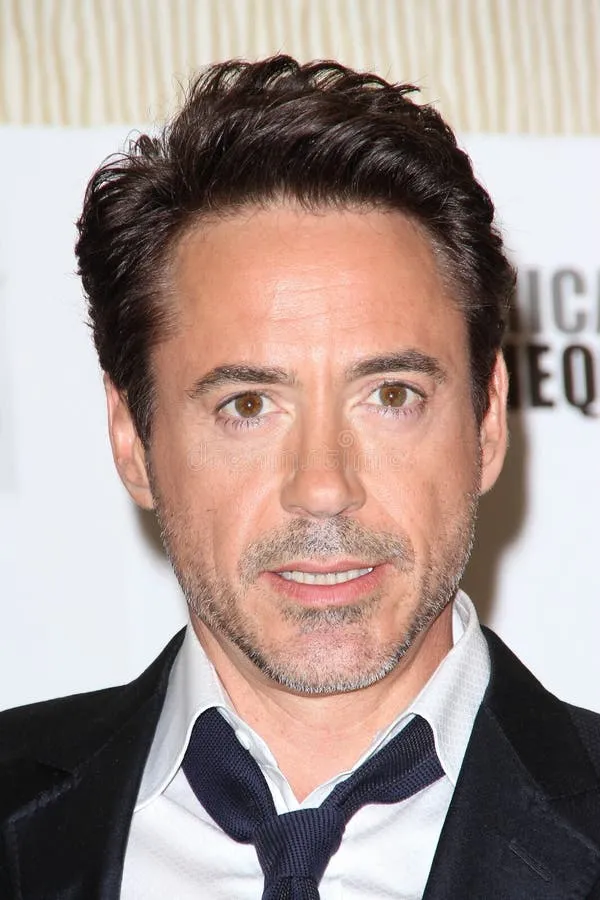 Photo: Robert Downey Jr., via thumbs.dreamstime.com
Cancellation Cause: Multiple arrests, substance abuse, general chaos Exile Duration: 5 years Comeback ROI: Went from unemployable to the highest-paid actor in Hollywood Secret Sauce: Owned his mistakes completely, then proved his worth with undeniable talent
🥈 The Redemption Arc Master: Justin Timberlake
After years of Janet Jackson Super Bowl fallout and general douchebag allegations, JT pulled off one of the smoothest rehabilitations in pop culture history.
 Photo: Justin Timberlake, via i.pinimg.com
Cancellation Cause: Nipplegate aftermath, leaving Janet to face the music alone Exile Duration: 3 years of side-eye Comeback ROI: Multi-platinum albums, sold-out tours, and somehow became America's sweetheart again Secret Sauce: Strategic vulnerability mixed with undeniable musical talent
🥉 The Quiet Genius: Mel Gibson
Controversial pick, but the numbers don't lie. Despite multiple scandals that should have ended any career, Gibson quietly rebuilt his empire behind the camera.
 Photo: Mel Gibson, via staticfanpage.akamaized.net
Cancellation Cause: Anti-Semitic rants, domestic violence allegations Exile Duration: 8 years from A-list status Comeback ROI: Hacksaw Ridge earned him Oscar nominations and restored industry credibility Secret Sauce: Shifted focus from acting to directing, let the work speak louder than the controversy
The Science of Strategic Silence
Here's what separates the comeback kings from the permanently canceled: knowing when to shut up. The biggest mistake most celebrities make is trying to defend themselves in real-time. The internet doesn't want explanations during peak outrage—it wants blood.
The smart money stays quiet for at least six months. Long enough for the news cycle to move on, but not so long that they become completely irrelevant. It's a delicate balance that requires nerves of steel and advisors who understand that sometimes the best PR is no PR.
"The silence phase is crucial," explains a crisis management specialist who's guided multiple A-listers through their cancellation cycles. "Everyone wants to respond immediately, but that's when you make it worse. The internet has the attention span of a goldfish—if you can wait it out, they'll find someone else to hate."
The Apology Algorithm
When celebrities do break their silence, the most successful follow a surprisingly specific formula:
- Acknowledge without excuses (30% of statement)
- Express genuine remorse (40% of statement)
- Detail concrete changes made (20% of statement)
- Commit to ongoing growth (10% of statement)
Deviate from this formula at your own risk. Too much explanation reads as defensiveness. Not enough accountability reads as arrogance. The sweet spot requires surgical precision.
The Economics of Exile
Here's the dirty secret about cancellation: it's often more profitable than staying squeaky clean. Controversy generates engagement, engagement drives algorithms, and algorithms equal money. The celebrities who master the comeback cycle end up with more devoted fan bases than they ever had before.
Consider the numbers: Canceled celebrities' social media engagement rates jump an average of 67% during their comeback phases. Their first post-cancellation projects consistently outperform pre-controversy benchmarks. It's almost like the audience develops a deeper emotional investment in stars they've "forgiven."
The New Rules of the Game
Modern cancellation operates under completely different rules than traditional scandal management. The old playbook—deny, deflect, disappear forever—doesn't work in an ecosystem where relevance equals revenue and controversy equals content.
The new playbook acknowledges that cancellation is temporary but irrelevance is permanent. Better to be hated than ignored, because hate can transform into fascination, and fascination pays better than indifference ever will.
Plot Twist: Some Celebrities Are Doing It on Purpose
The most meta development in cancel culture? Some celebrities appear to be engineering their own controversies. Why? Because they've figured out that a well-managed cancellation can be more valuable than any traditional publicity campaign.
It's the ultimate risk-reward calculation: endure 6-18 months of public shame in exchange for decades of increased relevance and earning potential. For celebrities whose careers were already stagnating, it's starting to look like a pretty good deal.
The Future of Famous Failures
As audiences become more sophisticated about celebrity PR cycles, the cancellation-to-comeback pipeline will need to evolve. We're already seeing celebrities skip straight to the "growth" narrative or lean into their controversial status instead of fighting it.
The next generation of stars is watching these patterns and learning. They're building cancellation strategies into their career plans from day one, treating public shame as just another marketing channel to master.
In Hollywood's attention economy, getting canceled isn't the end of your story—it's just the most expensive character development money can't buy.