Voice Coaches Are Hollywood's Best-Kept Secret — And Their Failure Reel Is Absolutely Priceless
Voice Coaches Are Hollywood's Best-Kept Secret — And Their Failure Reel Is Absolutely Priceless
Somewhere on a studio lot in Burbank, a very patient human being is listening to a British megastar attempt a Southern drawl for the forty-seventh time. The megastar is getting paid $20 million. The dialect coach is getting paid considerably less. And the drawl still sounds like someone doing a bad impression of someone else doing a bad impression of Matthew McConaughey.
Welcome to the booming, bizarre, and occasionally heartbreaking world of Hollywood dialect coaching — where the unsung vocal architects of cinema work miracles daily, get almost zero credit when it works, and take all the internet heat when it spectacularly doesn't.
The People Behind the Voices You Didn't Notice Were Fake
Dialect coaches occupy one of Hollywood's strangest professional niches. They're part linguist, part therapist, part miracle worker, and — if the actor in question is particularly stubborn — part punching bag. Their job is to make million-dollar stars sound like they actually grew up in Baltimore, or Boston, or Birmingham, Alabama, rather than, say, a luxury apartment in Notting Hill.
The demand for their services has exploded in recent years, driven in large part by the global streaming wars. When Netflix, HBO Max, Prime Video, and every other platform with a logo and an ambition decided they needed prestige content set everywhere from rural Appalachia to working-class Manchester, suddenly the need for authentic regional accents became a boardroom-level concern. Dialect coaches who once worked the occasional period drama are now fielding calls for six, seven, eight simultaneous projects.
"Streaming changed everything," says one veteran coach who has worked on projects for three of the major platforms and asked to remain anonymous because, apparently, the entertainment industry has feelings. "Audiences are so much more sophisticated now. You put a fake Southern accent in front of a Texan viewer and they will find you on social media. They will make a compilation video. They will not be kind."
They are not wrong. The internet's appetite for accent-fail compilations is essentially bottomless.
The Price Tag on Sounding Human
So what does it actually cost to make a movie star sound like a regular person from a specific zip code? The numbers are, to put it gently, unhinged.
Top-tier dialect coaches working on major studio productions can command anywhere from $1,500 to $5,000 per day, with long-term contracts on prestige projects pushing total fees well into six figures. For actors who require intensive, months-long preparation — think full character immersion, daily sessions, custom audio materials — the bill can climb past $200,000 before a single frame is shot.
For that price, you'd expect flawless results every time. And often, you get them. Meryl Streep's Polish accent in Sophie's Choice. Cate Blanchett's American cadence in about seventeen different films. Charlize Theron's work in Monster. These are the success stories that justify the invoices and make dialect coaches feel like the unacknowledged gods of cinema.
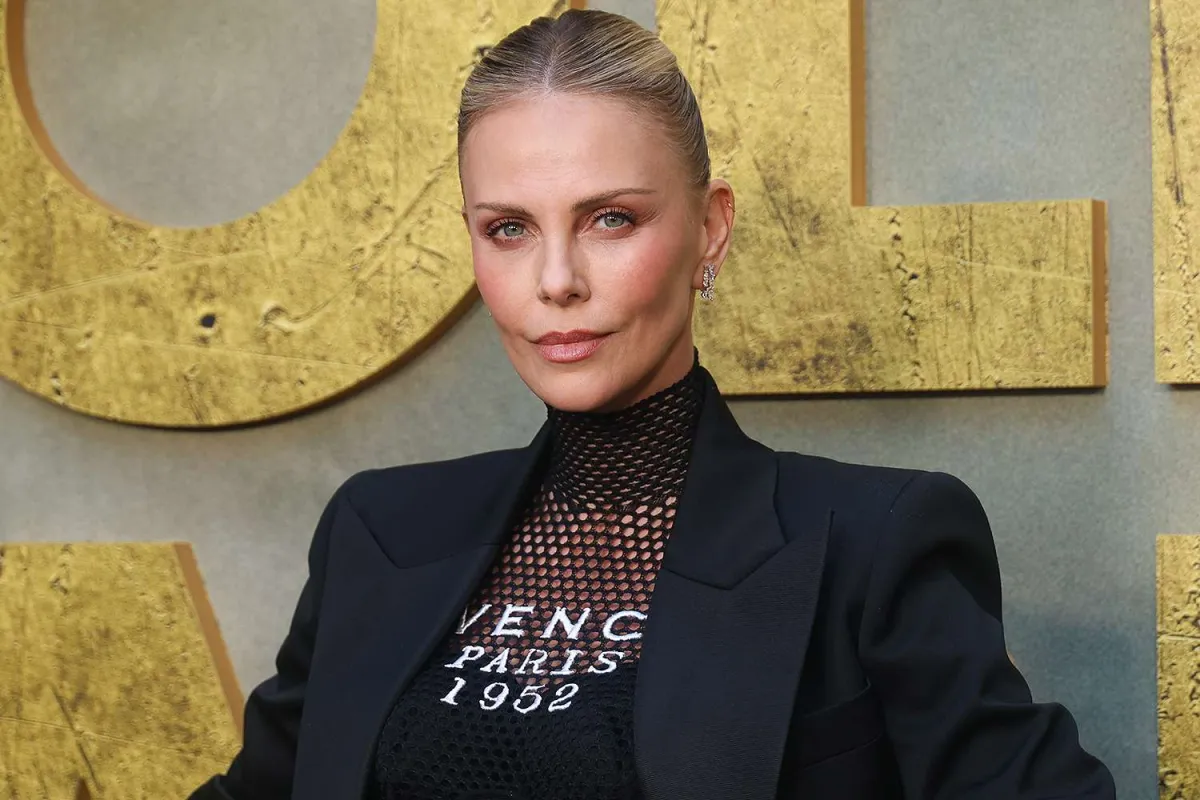 Photo: Charlize Theron, via people.com
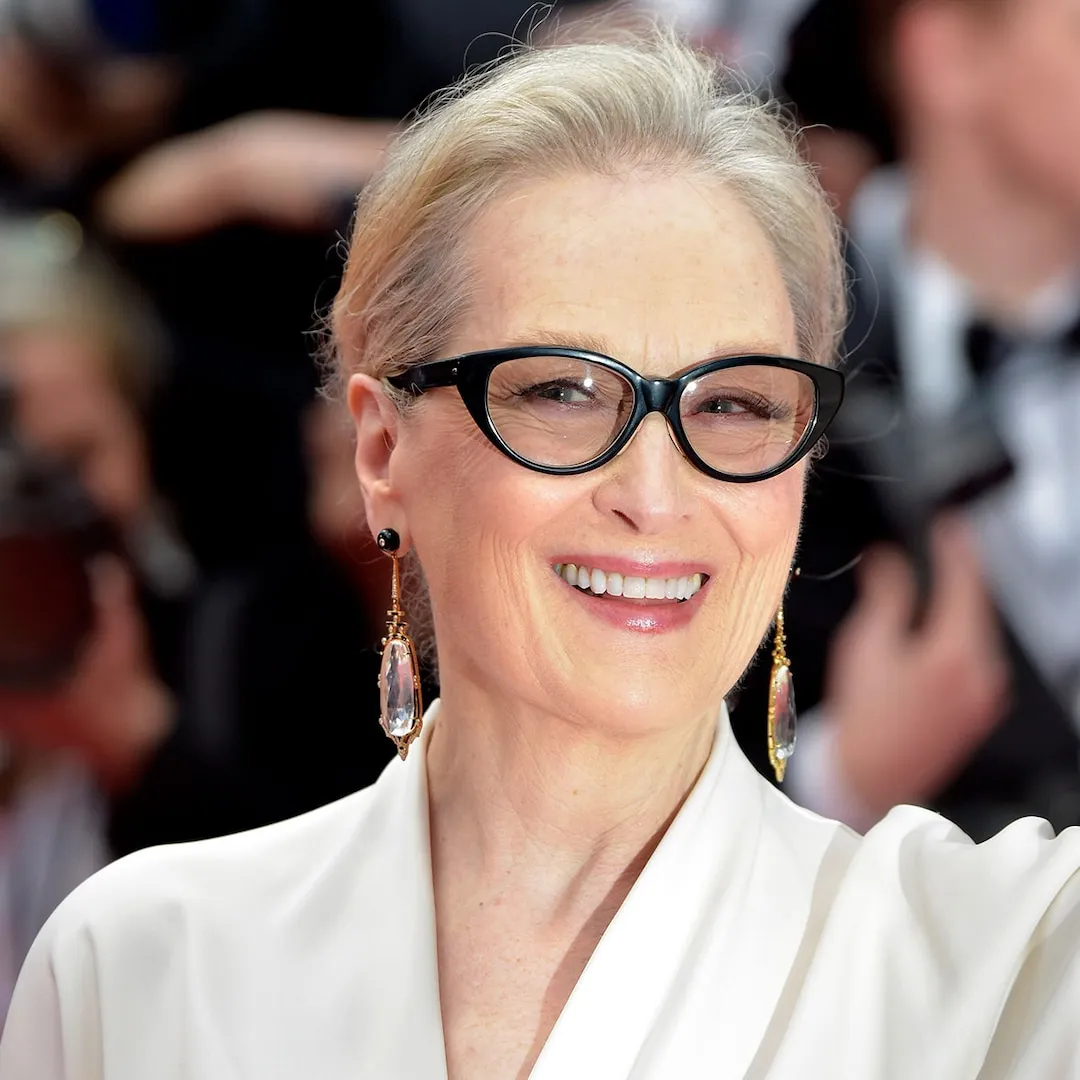 Photo: Meryl Streep, via akns-images.eonline.com
And then there are the other stories.
The Hall of Vocal Horrors
Let's not pretend the failure reel doesn't exist, because it absolutely does, and it lives rent-free on YouTube with millions of views and comment sections full of people from the actual regions in question expressing their feelings at considerable length.
Keanu Reeves attempting a Victorian English accent in Bram Stoker's Dracula remains a cultural artifact so extraordinary that film scholars have written about it with the kind of reverence usually reserved for ancient cave paintings. Gerard Butler's Scottish-American hybrid in 300 technically wasn't supposed to be any real accent, which was perhaps the smartest creative decision anyone made in that production. And let's pour one out for every single non-American actor who has ever tried to locate Boston's exact vowel situation and ended up somewhere in the mid-Atlantic ocean instead.
Dialect coaches who've worked on troubled projects describe a specific kind of professional despair that sets in when an actor — despite months of preparation, thousands of hours of audio coaching, and a dialect coach standing literally off-camera whispering corrections — decides in the moment to just kind of wing it.
"You can do everything right," one coach explained, with the thousand-yard stare of someone who has seen things. "You can give them the tools, the recordings, the muscle memory. And then the director calls action, the pressure hits, and their natural accent just... comes home. Like a pigeon."
Streaming's Global Accent Arms Race
The streaming era hasn't just increased demand for dialect coaches — it's fundamentally changed what they're being asked to do. Regional American accents that studios once flattened into a generic broadcast-neutral voice are now being preserved and celebrated. Ozark demanded authentic Missouri. Outer Banks required convincing Outer Banks. The Bear had coaches drilling Chicago-specific speech patterns with the intensity of a Navy SEAL training program.
International co-productions have added another layer of complexity. When a British actor plays an American character in a show being simultaneously released in 190 countries, the accent has to work for an audience in Des Moines AND be comprehensible to someone watching in Seoul. That's a genuinely complicated vocal tightrope.
Some coaches now specialize in what they call "accent neutralization" — stripping down an actor's native speech patterns before rebuilding them in a target dialect. Others focus exclusively on specific regional American accents, becoming the go-to expert for, say, everything east of the Mississippi below the Mason-Dixon line. Specialization, in the dialect coaching world, is apparently where the real money lives.
The Actors Who Simply Refuse to Cooperate
Any dialect coach will tell you, usually after their second drink and with the protective veil of anonymity firmly in place, that the biggest variable in the entire equation isn't technique, or preparation time, or even the complexity of the target accent. It's whether the actor actually listens.
Some of Hollywood's most celebrated performers are, by multiple accounts, completely coachable — humble, diligent, obsessive about getting it right. Others, particularly those whose star power has reached a certain gravitational mass, have developed what coaches diplomatically describe as "selective receptivity" to notes.
Translation: they hear the feedback, nod thoughtfully, and then do whatever they were going to do anyway.
"There's a specific budget tier," one coach noted, "where the actor's salary is large enough that no one on set is going to tell them the accent isn't working. And they know it. Everyone knows it. You just sort of... move on and hope the editing helps."
Spoiler: editing rarely helps.
The Unsung Credit
For all the chaos, the dialect coaching industry is thriving, its practitioners finally getting a sliver of the recognition they've quietly earned for decades. A handful of coaches have become minor celebrities in their own right — their social media breakdowns of celebrity accent attempts racking up millions of views and doing more for their profile than any film credit ever managed.
Which is perhaps the most Hollywood ending possible: the people who spent careers making other people sound authentic finally found their audience by being completely, wonderfully real about how hard the whole thing actually is.