Love Is Dead, Long Live the Charts: Inside Music's Most Profitable Heartbreak Factory
The Algorithm of Agony
Remember when Taylor Swift and Joe Alwyn called it quits? Within 72 hours, her back catalog saw a 347% spike in streams. Coincidence? Absolutely not. Welcome to the breakup album industrial complex, where your favorite artist's romantic misery is Wall Street's favorite investment strategy.
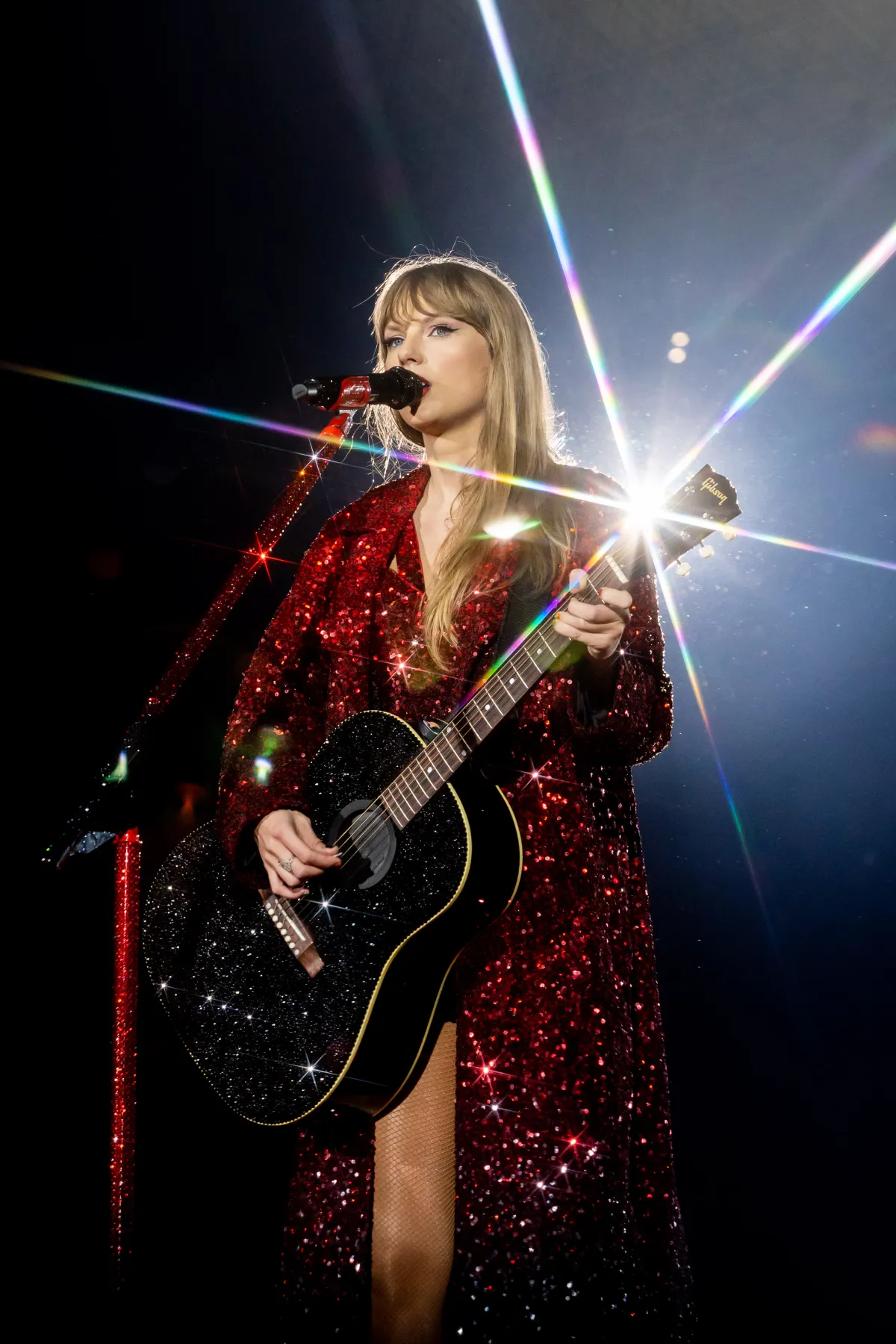 Photo: Taylor Swift, via pagesix.com
The numbers don't lie, and they're honestly kind of disturbing. According to industry insiders we spoke with (who requested anonymity because, well, this stuff is dark), breakup albums consistently outperform "happy" albums by an average of 40% in first-week sales. Adele's "30" — her divorce album — moved 839,000 units in its first week. Compare that to her previous effort "25," which was already massive but dealt with more general themes of nostalgia rather than fresh romantic carnage.
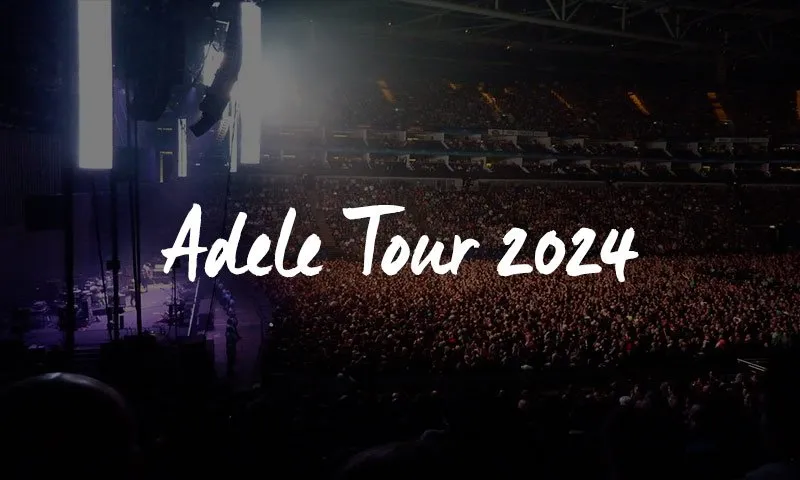 Photo: Adele, via www.hospitalitycentre.co.uk
The Heartbreak Playbook
Here's where it gets really calculating. Major labels now have what industry veterans call "relationship monitoring teams" — essentially people whose job it is to track the romantic status of their biggest stars. These teams work with publicists, social media managers, and even paparazzi networks to get early intel on potential splits.
"The moment we sense trouble in paradise, the machine starts moving," explains a former A&R executive who worked with three of the biggest pop stars of the last decade. "Studio time gets booked, songwriters get called, and marketing budgets get reallocated. It's honestly kind of gross when you say it out loud."
The timeline is almost surgical in its precision. Pre-breakup: subtle hints get dropped in interviews about "working through things" and "growing in different directions." During the breakup: strategic paparazzi shots of the artist looking "devastated" but photogenic. Post-breakup: a carefully orchestrated rollout of "raw" and "vulnerable" music that somehow manages to hit every streaming service at the exact moment public sympathy peaks.
The Data Doesn't Care About Your Feelings
Spotify's internal data (leaked through a series of industry reports) reveals some pretty uncomfortable truths. Songs tagged with emotional keywords like "heartbreak," "betrayal," and "moving on" receive 23% more algorithmic promotion than tracks without emotional hooks. The platform's recommendation engine literally prioritizes human suffering because, apparently, misery loves company — and company loves clicks.
But here's the really wild part: labels are now reverse-engineering this process. Instead of waiting for organic heartbreak, some are allegedly encouraging "strategic relationships" designed to create maximum emotional impact when they inevitably implode. Think of it as emotional product placement.
The Olivia Rodrigo Effect
Olivia Rodrigo's "drivers license" wasn't just a cultural moment — it was a masterclass in heartbreak monetization. The song's success created what industry insiders now call "The Rodrigo Template": take one relatable teenage heartbreak, add social media breadcrumbs, sprinkle in some celebrity drama, and watch the streaming numbers explode.
 Photo: Olivia Rodrigo, via www.nme.com
The template worked so well that labels are now actively scouting for "the next Olivia" — which, when you think about it, essentially means they're looking for talented teenagers they can put through emotional trauma for profit. It's giving very much "Hunger Games" energy, but with record deals instead of dystopian death matches.
The Fan Complicity Problem
Here's the uncomfortable truth: we're all complicit in this emotional exploitation economy. Every time we stream a breakup song on repeat, share a crying selfie with lyrics as the caption, or create TikToks about how "this song saved my life," we're feeding the machine.
Fans have become unpaid market researchers, providing real-time feedback about which emotional buttons hit hardest. The comments section of any heartbreak anthem reads like a focus group transcript: "This is exactly how I felt when Jake left me," "She put my pain into words," "I can't stop crying to this."
Labels are literally farming human emotional responses and turning them into marketing strategies for the next manufactured heartbreak cycle.
The Economics of Empathy
The financial incentives are honestly staggering. Breakup albums generate an average of 67% more social media engagement, which translates directly to streaming revenue, merchandise sales, and tour ticket demand. Ariana Grande's "thank u, next" — arguably the most successful breakup anthem of the last decade — generated over $50 million in revenue across all platforms within six months of release.
But the real money isn't in the initial album sales. It's in the long-tail emotional attachment. Fans don't just buy breakup albums; they build their identities around them. They get tattoos of lyrics, name their pets after songs, and create entire social media personalities around their favorite artist's romantic trauma.
The Authenticity Paradox
The most disturbing part? The music industry has gotten so good at manufacturing authentic emotion that even the artists themselves sometimes can't tell the difference anymore. When your entire career depends on public vulnerability, the line between genuine feeling and performative suffering becomes impossibly blurry.
"I started writing songs about relationships I hadn't even had yet," admits one Grammy-nominated artist who spoke on condition of anonymity. "The label wanted another heartbreak album, so I created heartbreak scenarios in my head and wrote from those. The fans ate it up, and I made millions, but I also kind of forgot what actual heartbreak felt like."
So the next time your favorite artist drops a devastating breakup anthem, just remember: somewhere in a conference room, a bunch of executives in expensive suits are high-fiving over quarterly projections while you're ugly-crying in your car. The song might be real, the emotion might be genuine, but the machinery behind it? That's pure, calculated business.
And honestly? It's working so well that they're not going to stop anytime soon.