Professional Stans: When Your Obsession With Celebrities Becomes Your Actual Day Job
The Girl Who Turned Harry Styles Into Her 401k
Meet Sarah Chen, a 26-year-old from Portland who makes $180,000 a year. Her job title? Professional Harry Styles stan. Her business model? Absolutely unhinged, completely brilliant, and somehow totally legal.
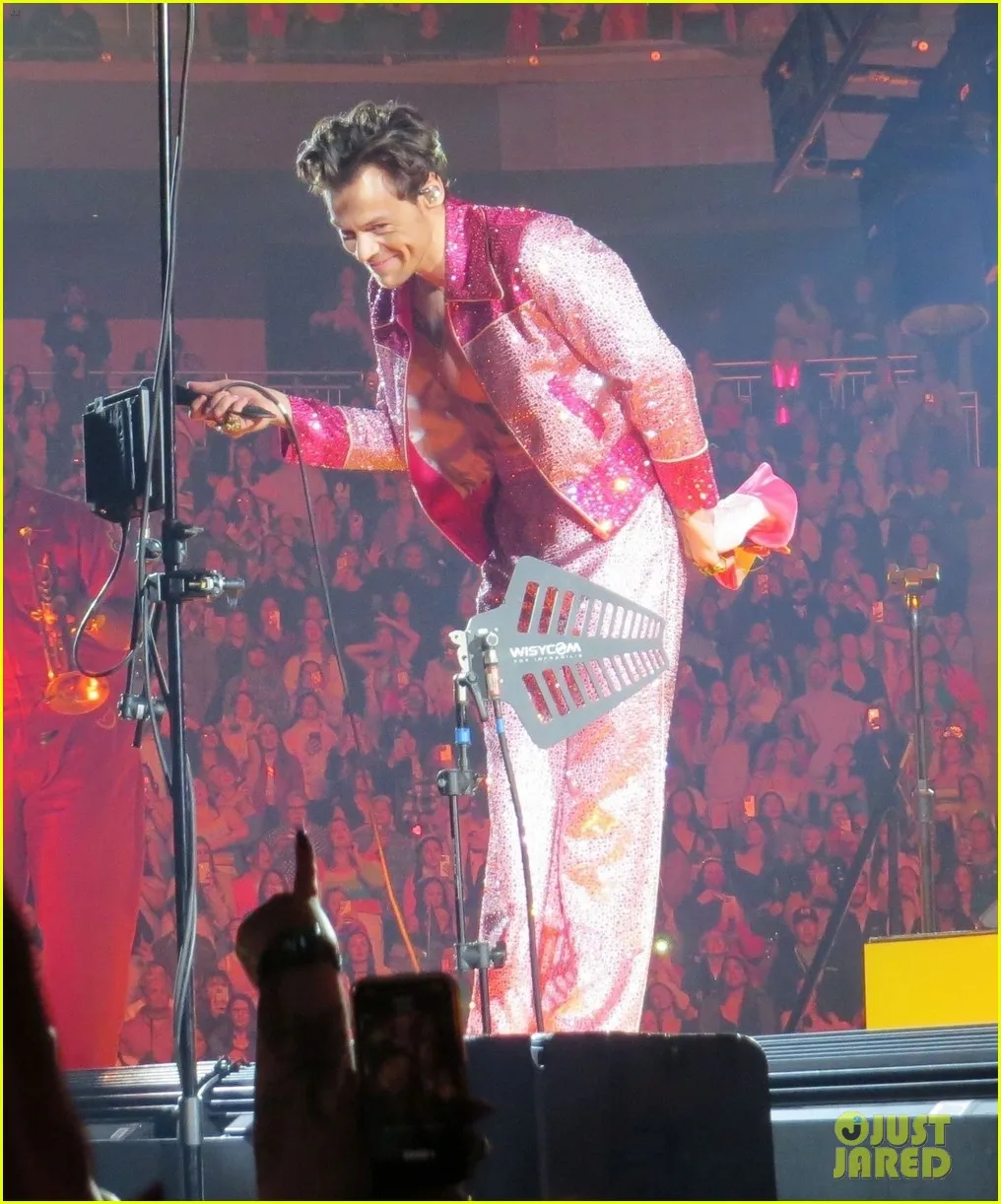 Photo: Harry Styles, via cdn.justjared.com
Sarah runs @StylesVault, an Instagram account with 340k followers that functions as part merchandise marketplace, part news aggregator, and part emotional support network for Directioners who never quite moved on. She flips limited-edition Harry merch, coordinates group buys for international fans, and — this is where it gets really wild — offers "stan consulting" services for newer fans who want to optimize their concert experiences.
"I charge $200 for a 'Fan Strategy Session' where I teach people how to get barricade, which merch drops to prioritize, and how to decode Harry's social media patterns," Sarah explains via DM, because yes, she was too busy running her Harry Styles empire to take a phone call. "Last month I made $23,000 just from consulting calls."
And Sarah isn't even close to being the most successful person in this absolutely bonkers economy.
The Beyhive's Secret Corporate Structure
The Beyhive isn't just a fandom — it's basically a multinational corporation with better crisis management than most Fortune 500 companies. When Beyoncé faces any kind of controversy (rare, but it happens), the Beyhive deploys a coordinated response that would make political campaign managers weep with envy.
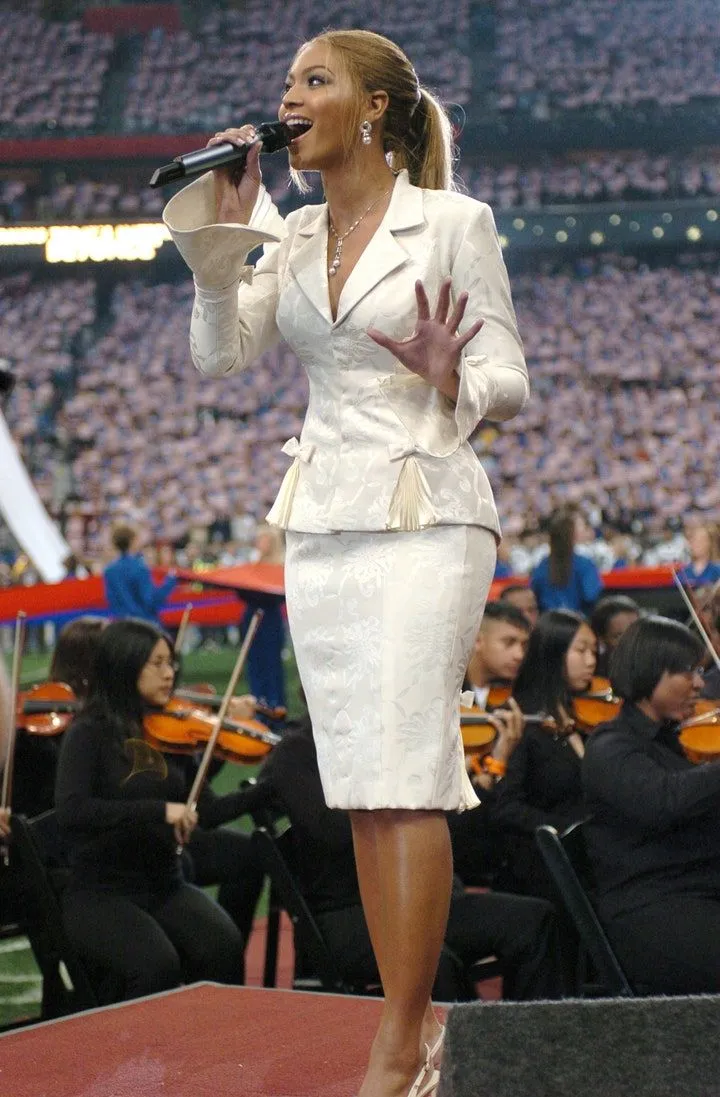 Photo: Beyoncé, via i.pinimg.com
There are Beyhive members who specialize in data analysis, tracking streaming numbers and chart performance with spreadsheets that would impress McKinsey consultants. Others focus on "narrative management," crafting Twitter threads and Instagram posts that shape public perception of whatever Beyoncé project needs defending.
"We have a legal fund," explains Maya, a 29-year-old Beyhive coordinator who asked us not to use her last name because apparently the Beyhive takes operational security seriously. "When someone tries to sue Queen B or spread lies, we crowdfund legal support. We've raised over $400,000 in the last two years."
They also have a crisis communication team that activates within minutes of any negative Beyoncé coverage, a merchandise authentication network that helps fans avoid knockoffs, and — I cannot stress how organized this is — a mentorship program for newer fans who want to "stan more effectively."
The Taylor Swift Economy Is Basically Wall Street
Swifties have turned fangirling into a legitimate investment strategy. The secondary market for Taylor Swift concert tickets operates like a commodity exchange, with prices fluctuating based on setlist rumors, surprise guest possibilities, and — this is real — weather forecasts that might affect outdoor venues.
 Photo: Taylor Swift, via imageio.forbes.com
Jessica Rodriguez runs @SwiftInvestments, a TikTok account with 500k followers where she provides market analysis for Taylor Swift merchandise and concert tickets. She's developed algorithms that predict which tour cities will have the highest resale values, tracks limited-edition merchandise drops like they're IPO launches, and offers subscription services for "Swift market insights."
"I cleared $340,000 last year just from ticket and merch flipping," Jessica tells us over Zoom from what appears to be a home office decorated entirely with Taylor Swift memorabilia. "I treat it like day trading, but instead of stocks, I'm trading friendship bracelets and concert tickets."
She's not alone. There are Swifties who've quit their corporate jobs to become full-time Taylor Swift economists, complete with business licenses, tax strategies, and retirement planning based on projected tour revenues.
The K-Pop Industrial Complex
K-pop fandoms have elevated stanning to an art form that makes Western celebrity worship look amateur by comparison. BTS's ARMY operates with military precision (pun intended), coordinating global streaming campaigns, mass purchasing strategies, and social media blitzes that can trend worldwide topics within hours.
The economic impact is staggering. When BTS announces a new album, ARMY mobilizes purchasing power that rivals small countries' GDP. Fan sites coordinate group orders that can move tens of thousands of units, streaming farms that boost chart positions, and social media campaigns that generate millions in equivalent advertising value.
"I run a BTS merchandise import business that does $2 million in annual revenue," explains David Kim, a 24-year-old ARMY member who started his company from his college dorm room. "I have 12 employees now, all ARMY members. We're essentially a corporation built on our shared obsession."
The most successful K-pop fan businesses operate like talent agencies, managing multiple revenue streams: merchandise sales, concert ticket coordination, translation services, and even "stan coaching" for fans who want to participate more effectively in comeback campaigns.
The Influencer Incubator Program
Some superfans have figured out how to monetize their obsessions by becoming influencers themselves, using their deep knowledge of specific celebrities as content goldmines. These aren't traditional celebrity news accounts — they're specialized expertise platforms where fans pay for insider knowledge and community access.
There are Ariana Grande stans who make six figures from Patreon subscriptions, offering "exclusive updates" and "insider analysis" of her career moves. Rihanna Navy members who've built entire media empires around Fenty product launches and business strategy breakdowns. Even niche fandoms like the Barbz (Nicki Minaj fans) have created subscription-based content platforms that generate serious revenue.
"I charge $50/month for access to my private Discord where I break down every aspect of Nicki's career strategy," explains Marcus, who runs a Barbz analysis account with 200k followers across platforms. "I have 400 paying subscribers. That's $20,000 a month to talk about someone I was already obsessed with."
The Mental Health Industrial Complex
Perhaps the most unexpected development in the superfan economy is the emergence of celebrity-focused therapy and wellness services. There are licensed therapists who specialize in "parasocial relationship counseling," helping fans develop healthy boundaries with their celebrity obsessions while still maintaining their fan community connections.
There are also "stan wellness coaches" who help fans manage the emotional ups and downs of celebrity worship — dealing with tour disappointment, navigating fandom drama, and processing the inevitable heartbreak when favorite celebrities make choices fans don't approve of.
"Stanning can be emotionally exhausting," explains Dr. Jennifer Walsh, a therapist who's built her entire practice around celebrity fan psychology. "These fans are investing real emotional energy into people they'll never meet. Learning how to do that in healthy ways is actually a legitimate mental health need."
The Dark Side of Professional Stanning
Not everything in the superfan economy is wholesome fan dedication turned profitable. There are stan accounts that engage in coordinated harassment campaigns against celebrities' perceived enemies. Fan "investigators" who doxx people who criticize their favorites. Merchandise counterfeiters who exploit fan desperation for exclusive items.
The line between passionate fandom and unhealthy obsession gets blurry when there's money involved. Some fans report feeling pressure to maintain their "stan status" because their income depends on staying relevant within fan communities.
"I started this because I loved Taylor Swift," admits one former fan account runner who asked to remain anonymous. "But when your rent depends on generating Swift content every day, it stops being fun and starts being work. I burned out on my favorite artist because I turned her into my job."
The Future of Professional Fangirling
The superfan economy shows no signs of slowing down. If anything, it's professionalizing further. There are now "Stan Business Accelerator" programs, fan account management agencies, and even venture capital funds that invest in celebrity-focused businesses.
Some industry experts predict that within five years, every major celebrity will have an entire ecosystem of fan-run businesses operating around their brand, creating secondary economies that rival traditional entertainment industry revenue streams.
So the next time someone tells you that being obsessed with celebrities is a waste of time, just remember: somewhere out there, a 22-year-old is paying off their student loans by running a Doja Cat merchandise authentication service, and honestly? That might be the most American success story of all.