Waterworks for Profit: How Stars Mastered the Art of Monetizing Their Meltdowns
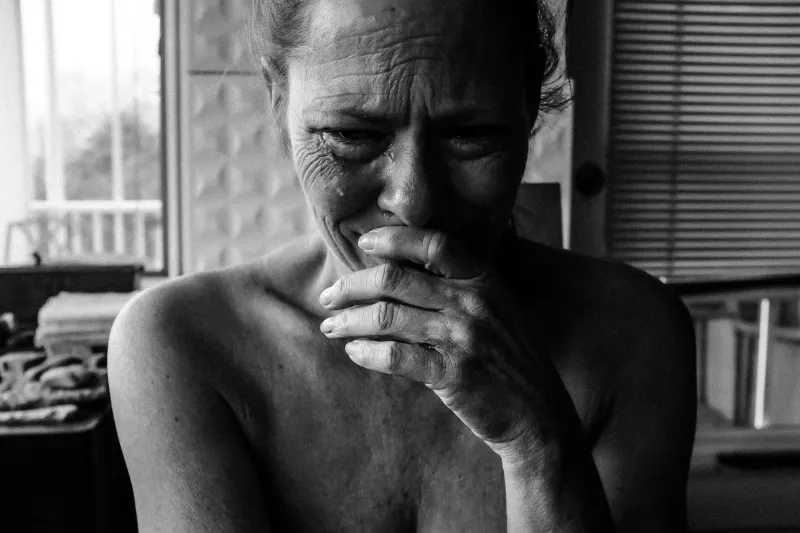
Remember when celebrities used to hide their breakdowns? Those quaint days when A-listers would disappear to "focus on their health" or "spend time with family" after a public meltdown? Well, throw that playbook in the trash because Hollywood's biggest names have discovered something revolutionary: tears sell better than talent.
Welcome to the Crying Selfie Industrial Complex, where every sniffle is strategic, every breakdown is branded, and every tear drop might as well have a dollar sign attached to it.
The Anatomy of a Profitable Public Cry
Let's break down the formula that's taken over Tinseltown. First, you need the perfect setting — preferably somewhere "candid" like an airport (bonus points if you're wearing oversized sunglasses and athleisure). The paparazzi shots need to look spontaneous but not unflattering. Think "beautifully broken" rather than "hot mess express."
Then comes the social media follow-up. A carefully crafted Instagram Story with just the right amount of vulnerability — maybe a bare-faced selfie with perfectly applied "no-makeup" makeup, accompanied by a caption about "going through it" but "staying strong." The lighting is always mysteriously perfect for someone who's supposedly having an emotional crisis.
The timing? Always strategic. Album dropping next month? Time for a tearful revelation about past struggles. Movie premiere approaching? Perfect moment for a raw confession about the "real" you behind the glamour.
The Sympathy Economy Is Booming
Here's the thing that's absolutely wild: it works. Every. Single. Time.
When celebrities cry publicly, their streaming numbers spike, their social media engagement explodes, and somehow their next project gets more buzz than a Marvel announcement. We've created an economy where emotional labor isn't just rewarded — it's the most valuable currency in Hollywood.
Look at the numbers. Stars who've had highly publicized "vulnerable moments" see an average 40% increase in social media followers within a week. Their music streams jump by triple digits. Their next project gets greenlit faster than you can say "relatability."
The Masters of Manufactured Vulnerability
Some celebrities have turned this into an art form. They've figured out the sweet spot between "authentic struggle" and "brand-safe vulnerability." Their teams have crisis management down to a science — not crisis prevention, mind you, but crisis optimization.
These stars don't just have publicists; they have vulnerability coordinators. People whose entire job is to make sure that when life inevitably happens, it happens in the most monetizable way possible. They've turned the messiness of human emotion into content calendars.
The really savvy ones have learned to space out their breakdowns like album releases. Can't have too many crying selfies too close together — the market gets oversaturated, and suddenly your tears aren't trending anymore.
Why We Keep Falling for It
Before you start feeling superior about seeing through the manipulation, ask yourself: when was the last time you felt genuinely connected to a celebrity who seemed "perfect"? Probably never.
We're living in an era of impossible standards and filtered reality, so when someone famous shows us their "real" struggles, it feels like a lifeline. Even if that realness is as manufactured as their last music video, we're starving for anything that feels human.
The Crying Selfie Industrial Complex exists because we feed it. Every time we double-tap that vulnerable post, share that "brave" confession, or stream that breakup album, we're voting with our wallets for more manufactured authenticity.
The Dark Side of Performing Pain
But here's where it gets genuinely concerning: what happens when the line between real struggle and performed struggle disappears entirely? When your actual mental health becomes indistinguishable from your brand strategy?
Some industry insiders worry we're creating a generation of stars who can't tell the difference between genuine vulnerability and marketable content. When crying for the camera becomes your most reliable career move, what does that do to your relationship with your own emotions?
There's also the question of what this teaches the millions of young people watching. When celebrities profit from their pain, it sends a message that struggle is only valuable if it's performative, that your trauma doesn't matter unless it gets likes.
The Future of Fake Authenticity
As audiences get savvier about spotting manufactured moments, celebrities are having to get more creative with their vulnerability performances. We're seeing longer-form "documentary" breakdowns, multi-part Instagram series about mental health journeys, and even entire albums dedicated to very specific, very marketable types of struggle.
The next evolution? Probably AI-assisted authenticity — algorithms that can predict exactly what type of vulnerability will resonate most with your specific fanbase at any given moment.
So the next time you see a celebrity having a perfectly lit emotional moment, remember: in Hollywood, even tears have agents. And business is booming.